Best Fishing Spots on the Tittabawassee River
It's incredibly frustrating when you hear whispers about a fantastic fishing spot, but then you're left guessing exactly where to go or how to approach it. The Tittabawassee River in Michigan is one of those places—a true gem with a reputation for incredible walleye and salmon runs, but it can feel a bit daunting to unlock its secrets. This guide is here to cut through the confusion and pinpoint the best fishing spots along the Tittabawassee, ensuring you spend less time searching and more time reeling in that next big catch.
Understanding the Tittabawassee River Fishery
The Tittabawassee River is a lifeline for anglers in Central Michigan, flowing through Midland and Saginaw before eventually emptying into the Saginaw River, and then into the vast expanse of Saginaw Bay and Lake Huron. It's much more than just a river; it's a dynamic ecosystem that supports an impressive array of fish species throughout the year, each with its own seasonal window of opportunity.
A River of Riches What You'll Find
What makes the Tittabawassee so special is its diverse fishery. While it's most famous for its incredible runs of walleye, steelhead, and various salmon species, it's also home to a healthy population of smallmouth bass, northern pike, and a variety of panfish. This means that no matter the season, there's usually something biting. The river’s connection to the Great Lakes system, particularly Lake Huron, makes it a vital migratory pathway for many of these prized game fish. They push upriver to spawn, offering anglers a unique opportunity to target them in a riverine environment. Imagine hooking into a powerful king salmon in a relatively narrow river channel—it's an experience that really gets your adrenaline pumping!
River Characteristics and Flow Dynamics
The Tittabawassee River itself changes quite a bit as it flows downstream. Upriver, especially closer to its headwaters, it can be narrower and shallower, offering more intimate fishing opportunities. As it progresses through areas like Midland, it widens, deepens, and develops more distinct features like deeper holes, current breaks, and submerged structures. The lower sections, especially approaching Saginaw, become much wider and slower, often resembling a large estuary more than a typical river. Understanding these characteristics is key to successful fishing. For instance, fast, oxygenated stretches below dams are prime for migratory species, while slower, weedier backwaters might hold pike or bass. The water flow can also be a significant factor, influenced by rainfall and dam operations, so keeping an eye on river conditions is always a good idea before heading out.
Top Fishing Spots and Access Points Along the Tittabawassee
Pinpointing the exact "best" spot on the Tittabawassee can depend heavily on the season and your target species, but there are several universally recognized hotbeds that consistently produce fish and offer excellent access for anglers.
Dow Dam Area in Midland
Without a doubt, the area immediately below the Dow Dam in Midland is legendary. This spot is a magnet for migratory fish, especially during the spring walleye run and the fall salmon and steelhead pushes. The dam acts as a natural barrier, concentrating fish in the deeper pools and turbulent waters below. You'll find ample shore access here, particularly within the City of Midland's park system, which includes paved paths and fishing platforms. Boaters can utilize nearby public launches, but be mindful of the currents directly below the dam. This area can get crowded during peak seasons, but for good reason—the action can be non-stop. If you're looking to target aggressive walleye in early spring, this is a prime location to try your luck with jigs and minnows or lipless crankbaits. Booking a local guide through a service like FishingBooker can give you an edge, as they often know the specific eddies and current seams where fish stack up.
Saginaw Township to Freeland Stretch
Moving downstream from Midland, the stretch of the Tittabawassee between Saginaw Township and Freeland offers excellent opportunities, particularly for boat anglers, but also some decent shore access. This section features a wider river channel, with numerous bends, deeper holes, and submerged structure that hold fish. Public boat launches like those found along Freeland Road or other DNR access points provide convenient ways to get on the water. This area is fantastic for trolling for walleye in the spring and early summer, or casting for smallmouth bass and northern pike in the warmer months. During the fall, as salmon push further upriver, they will also move through this stretch, often holding in deeper holes before reaching the Midland dam. Shore anglers can find success near bridges or public access points with current breaks. Remember to consult a current copy of the Michigan Fishing Regulations Every Angler Should Know for specific rules.
Upriver Sections and Tributaries
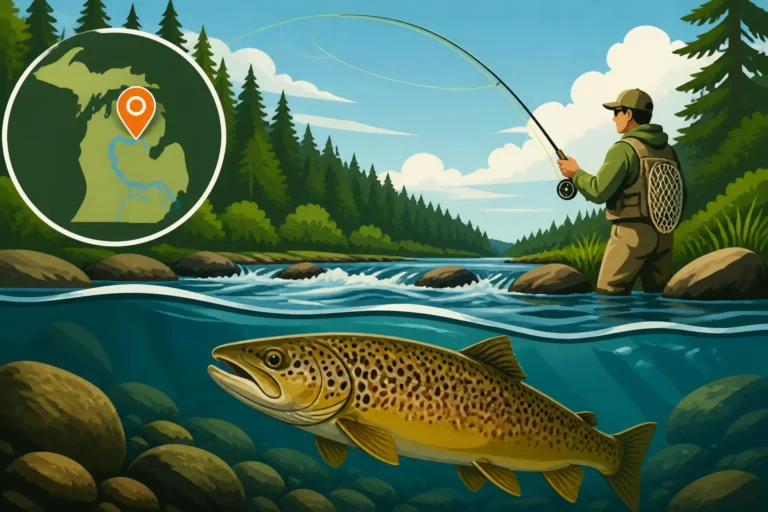
While the lower and middle sections get most of the glory, don't overlook the potential of the Tittabawassee's quieter, upriver stretches and its numerous tributaries. These areas often provide a different kind of fishing experience, perhaps with less pressure and more solitude. Further upstream from Midland, the river narrows, offering excellent habitat for smallmouth bass, rock bass, and sometimes even resident brown trout in the cooler feeder creeks. Kayak and canoe anglers particularly enjoy these sections, as they can access waters that larger boats cannot. Exploring the mouths of tributaries as they enter the Tittabawassee can also be productive, especially during migratory runs, as fish often stage there before committing to the main river. These spots might not be as "famous" as the dam, but they can offer truly rewarding fishing for those willing to explore.
Seasonal Strategies and Species Focus
The Tittabawassee River is a year-round fishery, but success largely depends on understanding the seasonal movements and preferences of its diverse fish populations. Timing your trip with the peak seasons can dramatically improve your chances of a memorable catch.
Spring Walleye Run Frenzy
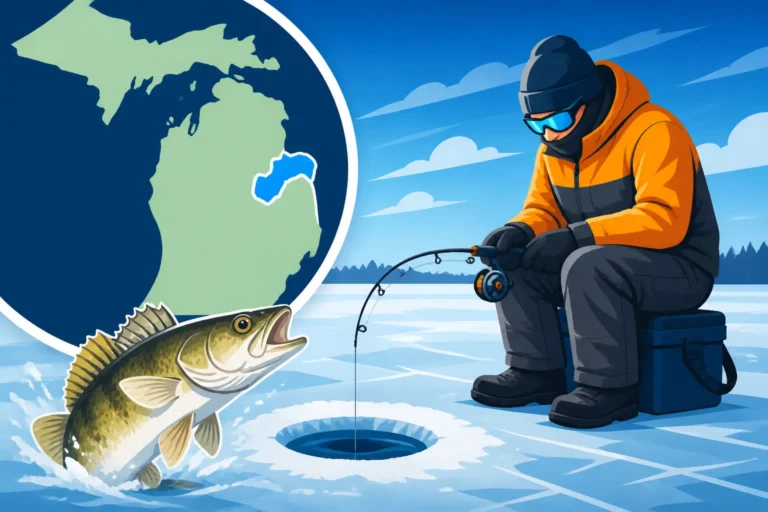
If there's one event that defines Tittabawassee River fishing, it's the spring walleye run. Starting typically in March and extending into April, massive numbers of walleye migrate from Saginaw Bay up the Tittabawassee (and Saginaw River) to spawn. This is a truly incredible natural phenomenon, drawing anglers from all over the state and beyond. The bite can be absolutely phenomenal, with anglers frequently catching their limits.
Techniques and Prime Months: The prime time for walleye usually kicks off as ice breaks up and water temperatures begin to rise into the 40s (Fahrenheit). Jigging with lead head jigs tipped with minnows, plastic grubs, or paddle tails is incredibly effective, especially in the deeper channels and current breaks around the Dow Dam. Vertically jigging from a boat is popular, but shore anglers can also do very well casting and slowly retrieving jigs. Trolling with crankbaits is also a go-to technique in the wider, lower sections of the river. Remember that the walleye are often concentrated, so once you find them, stick with that spot. If you're new to the area, a charter found through FishingBooker could provide invaluable insights into the daily patterns and hotspots during this peak season.
Fall Salmon and Steelhead Migration
As the vibrant colors of autumn begin to paint Michigan's landscape, another spectacular migration commences on the Tittabawassee: the fall salmon and steelhead runs. Chinook (King) and Coho salmon enter the river, typically starting in late August and peaking through September and early October, followed by impressive runs of steelhead (lake-run rainbow trout) from October into winter.
Targeting Migratory Fish: Chinook salmon are powerful fighters, often targeted with large crankbaits, spoons, or by drifting spawn bags or skein in the deeper holes. Coho salmon are also present and can be aggressive, hitting similar presentations. After the salmon have completed their spawning, the steelhead move in, feeding on salmon eggs and staging for their own spring spawn. Steelhead are notoriously strong and acrobatic, making for thrilling battles. Float fishing with spawn bags, beads, or small jigs under a bobber is a highly effective technique for steelhead, particularly in the Dow Dam area. For more detailed insights, check out our guide on Fall Steelhead Run in Michigan Rivers. Just like the walleye run, these fish are often concentrated, so finding a pod can lead to consistent action.
Summer Bass and Panfish Action
Once the spring walleye and fall salmon/steelhead runs subside, the Tittabawassee transforms into an excellent summer fishery for warm-water species. This is the perfect time for a more relaxed day on the water, targeting readily available fish.
Warm-Water Tactics: Smallmouth bass are plentiful throughout the river, especially in sections with rocky bottoms, current breaks, and submerged timber. Topwater lures, spinnerbaits, crankbaits, and soft plastics are all highly effective. Look for them around bridge pilings, log jams, and drop-offs. Largemouth bass can also be found in the slower, weedier backwaters and oxbows. Northern pike lurk in similar ambush points, particularly in areas with aquatic vegetation. Casting large spoons, spinnerbaits, or even live bait like shiners can entice these toothy predators. Don't forget about panfish like bluegill and crappie, which offer fantastic light-tackle fun for the whole family, especially in quieter coves and slower moving sections. Basic bobber and worm setups, or tiny jigs, are all you need for a day of panfish action.
Essential Tips for Tittabawassee Anglers
Having the right gear and knowing the rules can make or break your fishing trip on the Tittabawassee. It's not just about finding the fish, but being prepared to catch and handle them responsibly.
Gear and Bait Recommendations
Outfitting yourself properly for the Tittabawassee River means being versatile. For the major runs, medium-heavy to heavy spinning or baitcasting setups are recommended, capable of handling strong fish and heavier lures or weights. For walleye, a sensitive medium-light rod is ideal for detecting subtle bites when jigging. For salmon and steelhead, heavier action rods are needed to absorb their powerful runs.
| Target Species | Recommended Rod/Reel | Line Type & Strength | Primary Baits/Lures |
|---|---|---|---|
| Walleye | Medium-Light/Fast action spinning, 6-7 ft | 8-10 lb fluorocarbon or braid with fluoro leader | Jigs (1/4 – 1/2 oz) with minnows/plastics, lipless crankbaits, blade baits |
| Steelhead | Medium-heavy float rod, 9-11 ft; Medium spinning, 7-8 ft | 8-12 lb monofilament or braid with fluoro leader | Spawn bags, beads, small jigs, artificial worms, swung flies |
| Salmon (Chinook) | Heavy action baitcasting/spinning, 8-10 ft | 15-25 lb monofilament or braid | Large crankbaits, spoons, skein/spawn bags, jigs |
| Smallmouth Bass | Medium action spinning/baitcasting, 6-7.5 ft | 6-10 lb fluorocarbon or braid | Topwater lures, spinnerbaits, crankbaits, tubes, finesse plastics |
| Northern Pike | Medium-Heavy baitcasting, 7-8 ft | 15-30 lb braid with steel/fluoro leader | Large spoons, spinnerbaits, swimbaits, live bait |
Live bait, especially minnows, are a perennial favorite for walleye and can be purchased at local bait shops in Midland or Saginaw. For steelhead, cured salmon eggs (roe) are incredibly effective, either in spawn bags or as loose beads. Be sure to check the specific regulations on bait use, as some areas or seasons might have restrictions. Our guide on Best Bait for Michigan Walleye offers even more specific tips!
Navigating Regulations and Safety
Fishing on the Tittabawassee, like any public waterway in Michigan, requires adherence to state regulations. It’s absolutely crucial to purchase a Michigan Fishing License Guide for Residents and Nonresidents before you cast a line. Licenses are easily obtainable online through the Michigan DNR website or app, or from authorized retailers.
Key Regulations to Know: Pay close attention to species-specific rules, especially for walleye, salmon, and trout. The river often has special size and bag limits that can vary by season or even specific river sections. For instance, the Michigan Walleye Size and Bag Limits are strictly enforced. Always consult the most current Michigan Fishing Regulations Digest PDF for 2026 (or current year) available on the DNR website. Beyond regulations, safety is paramount. The Tittabawassee can have strong currents, especially below the dam. If boating, always wear a life jacket, especially during colder months, and be aware of other boat traffic. If fishing from shore, watch your footing, especially on muddy or slippery banks.
Disclaimer
Please be aware that fishing conditions, regulations, and access points can change. Always consult the Michigan Department of Natural Resources (DNR) official website or their annual fishing guide for the most up-to-date information before planning your trip. Practice safe angling and respect the environment.