How Deep Is Muskegon Lake
One question that often crosses an angler's mind when exploring a new body of water, or even revisiting a familiar one, is just how deep it truly gets. For those looking to cast a line in Muskegon Lake, knowing its depths isn't just a matter of curiosity; it's absolutely fundamental to understanding where the fish might be hiding, what techniques will be most effective, and how to navigate safely. This guide is going to dive deep into the topography of Muskegon Lake, unraveling its secrets so you can approach your next fishing adventure with confidence and a much better chance of success.
Understanding Muskegon Lake's Depths and Structure
Muskegon Lake, a drowned river mouth lake connected directly to Lake Michigan, is a fascinating and dynamic fishery. Its unique formation means it doesn't have the uniform, bowl-like shape of many inland lakes; instead, it boasts varied depths and intricate underwater structures that greatly influence where fish live and feed.
Average and Maximum Depths Revealed
If you're wondering about the big numbers, let's get right to it: Muskegon Lake has an average depth of around 21 to 24 feet. This might sound relatively shallow compared to some of the Great Lakes, but don't let that fool you. What truly defines Muskegon Lake's depth profile are its significant deeper pockets and channels. The maximum depth of Muskegon Lake plunges down to approximately 70 feet, primarily found in the historic navigation channels. These deeper sections are crucial, especially for species that prefer cooler water or need a sanctuary from harsh weather and boat traffic. This isn't just a flat-bottomed lake; it’s a mosaic of varying depths.
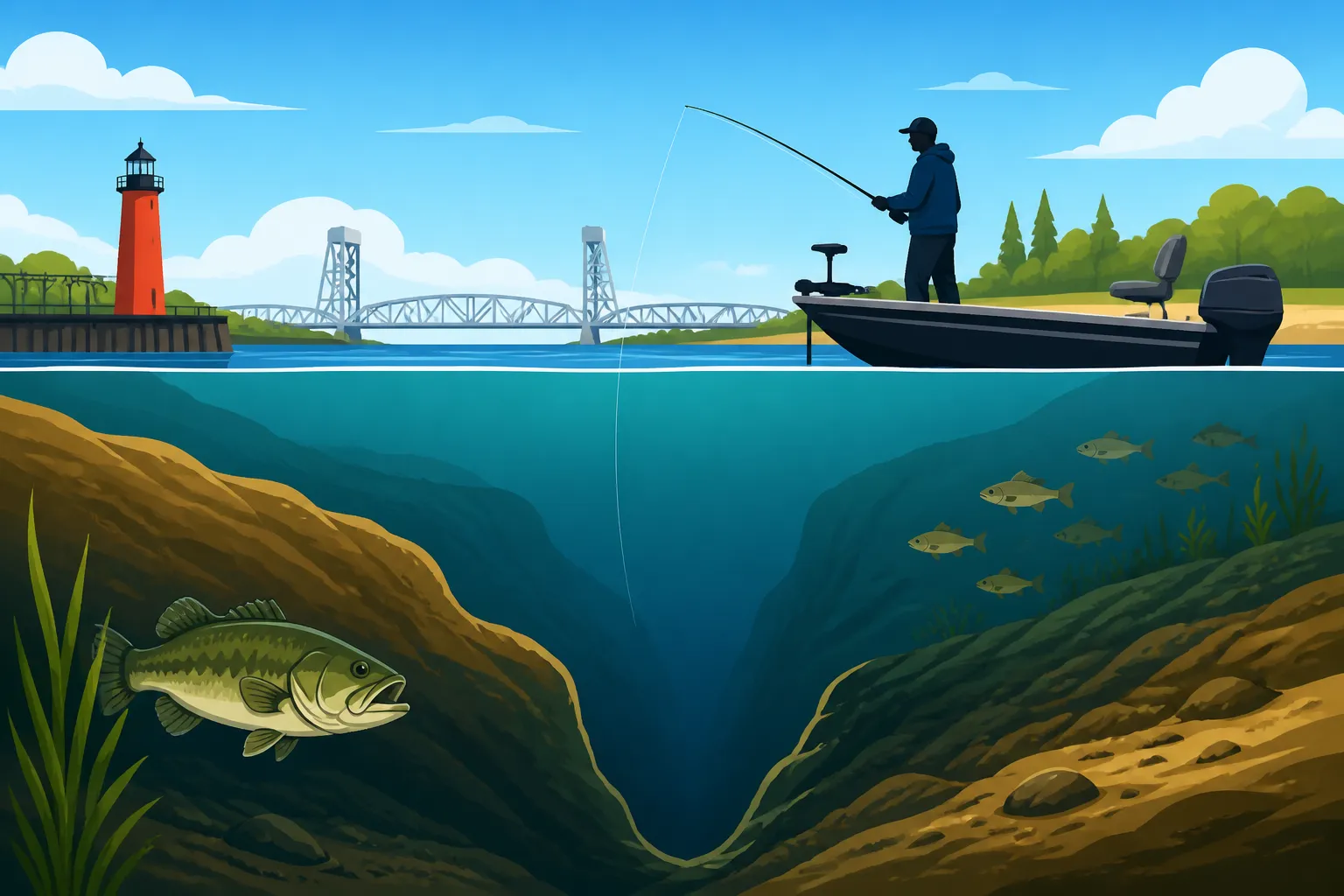
Imagine you're out on the water, scanning your sonar. You'll see wide expanses of 15-25 feet, then suddenly, the bottom drops away rapidly into those 50-70 foot channels. These dramatic changes are what make Muskegon Lake so exciting and challenging. They create thermal stratification in summer, providing cold-water refuges, and concentrate baitfish, which in turn draws in predatory species. Understanding these specific depth contours is your first step to unlocking its fishing potential, whether you're targeting perch in the shallower flats or chasing bigger fish in the depths.
How Depth Impacts Fishing Strategies
The varied depths of Muskegon Lake directly dictate your fishing strategies. You simply can't fish the entire lake with one approach. For instance, if you're chasing species like walleye, which often relate to structure and subtle depth changes, knowing where those 20-30 foot contours meet the deeper channels is paramount. These transition areas act as highways and feeding grounds. You’ll find them moving up onto shallower flats to feed during low-light conditions and then retreating to deeper water as the sun climbs higher.
Think about the time of year, too. In the spring, after ice-out, fish often remain in deeper water, gradually moving shallower as water temperatures rise. Conversely, during the scorching heat of mid-summer, many species will seek out the cooler, more oxygenated waters found in the deeper channels, while others, like smallmouth bass, will hug rocky structures in shallower zones. Without a clear picture of the lake's depths, you'd be essentially fishing blind, hoping to stumble upon a school of fish rather than purposefully targeting them. This knowledge helps you refine your approach, whether it's adjusting your lure depth or choosing a completely different area of the lake.
Key Underwater Features and Their Role
Beyond just the numbers, Muskegon Lake is rich in diverse underwater features that are directly tied to its depth profile. The main river channel, which once connected the Muskegon River directly to Lake Michigan, still cuts a deep path through the lakebed. This channel, along with its associated drop-offs and ledges, is a magnet for fish. You’ll also find remnants of old docks, submerged timber, and brush piles, especially around the shallower bays and shorelines, which provide excellent cover for panfish and juvenile predators.
Furthermore, there are several humps, shoals, and points that rise from the lake bottom, creating unique habitats. These features, often overlooked by anglers who stick to the main channels, can hold significant populations of fish. For example, a submerged hump rising from 40 feet to 25 feet could be a prime ambush point for walleye or smallmouth bass, especially if there's baitfish present. Understanding the interaction between these features and the surrounding depths is crucial. It’s not just about where the deep water is, but how the deep water interacts with other structures.
Navigating Muskegon Lake for Optimal Fishing
Muskegon Lake’s diverse depths mean that effective navigation isn't just about avoiding hazards; it's about purposefully using the topography to your advantage. A well-prepared angler knows how to leverage technology and seasonal knowledge to pinpoint the most productive spots.
Importance of Navigational Charts and Sonar
When you’re out on Muskegon Lake, a good navigational chart and reliable sonar are your best friends. Modern marine electronics, such as those from Lowrance or Humminbird, can display detailed bathymetric maps that show depth contours, channels, and underwater structures in vivid detail. This real-time information allows you to identify those crucial drop-offs, humps, and deep holes we discussed earlier. You can mark waypoints on your GPS directly on the chart when you find a promising spot or a concentration of fish.
Think of it this way: a chart gives you the blueprint, and your sonar gives you the X-ray vision. When I'm out there, I'm constantly watching my sonar for changes in bottom composition, schools of baitfish, and larger arcs that indicate predatory fish. Without this technology, you're essentially guessing, which can be both frustrating and unproductive. Companies like FishingBooker often list charters with captains who are experts in using these advanced systems to navigate and find fish, showcasing just how vital this gear is to successful angling on a lake with such varied depths. Knowing how to interpret these readings is a skill developed over time, but the tools themselves provide an invaluable head start.
Seasonal Depth Changes and Fish Movement
Fish in Muskegon Lake are always on the move, and their migrations are heavily influenced by the changing seasons and, consequently, water temperature and depth.
In the spring, as the ice recedes, species like perch and walleye will often stage in deeper water near spawning grounds before moving into shallower bays and river mouths. You might find them in 20-30 feet of water initially, then see them transition to 5-15 feet as the water warms and baitfish become more active in the shallows. This is a critical period for Michigan's Spring Trout Opener Techniques, though Muskegon Lake is more known for its warmwater species.
Come summer, the lake stratifies, meaning warmer water sits on top of cooler, deeper water. This forces many cold-water preferring fish, or those seeking refuge from bright sunlight, into the deeper channels and pockets, sometimes down to 40-60 feet. Meanwhile, shallow-water predators like northern pike and largemouth bass will patrol weed beds and docks in 5-15 feet of water. As fall approaches, the water cools, and fish often become more active and can be found across a wider range of depths as they feed heavily in preparation for winter. Finally, during the winter ice fishing season, understanding the lake's depths becomes critical for safety and success, as fish often suspend at various depths or hug the bottom in specific contours. If you're planning for winter, check out our Michigan Ice Fishing Guide.
Identifying Productive Depth Ranges for Target Species
Each fish species has its preferred depth range, which can also shift based on the time of day, weather, and available forage. Knowing these general preferences can dramatically improve your success on Muskegon Lake.
For example, walleye are often found in the 15-40 foot range, particularly around the edges of the deeper channels or over submerged humps. During low light, they might push shallower, into 5-15 feet, especially if there's good cover or baitfish. Yellow perch, a staple in Muskegon Lake, tend to school in slightly shallower depths, often 10-30 feet, over soft bottoms where they can scour for invertebrates. However, they can also be found deeper when congregating in large schools. You can find more specific information in our guide on Muskegon Lake, Michigan, Walleye and Perch Fishing.
Smallmouth bass, on the other hand, love structure and will often relate to rocky areas, drop-offs, and points in 5-30 feet of water, especially during feeding windows. Northern pike, known for their ambush tactics, will lurk in shallower weed beds, especially in the 5-20 foot range, but can be found deeper in cooler water or along steep breaks. Understanding these tendencies, combined with real-time sonar feedback, allows you to target your efforts efficiently. For detailed limits, remember to consult the Michigan Walleye Daily Possession Limit.
| Species | Preferred Depth Range (Feet) | Common Habitats | Seasonality Considerations |
|---|---|---|---|
| Walleye | 15-40 | Channel edges, humps, drop-offs, mud flats | Deeper in summer, shallower during low light and spring/fall |
| Yellow Perch | 10-30 | Soft bottoms, weed edges, transition zones | Can school deeper in winter; shallower in spring/fall |
| Smallmouth Bass | 5-30 | Rocky reefs, points, sharp drop-offs, submerged timber | More active in shallow structures in warmer months |
| Northern Pike | 5-20 | Weed beds, submerged logs, shallower bays | Aggressive in cooler, shallower water in spring/fall |
| Lake Trout (Lake Michigan access) | 40-70+ | Deep channels, cold water near Lake Michigan access | Primarily found in the deepest, coldest parts year-round |
Fishing Techniques Tailored to Muskegon Lake's Depths
With Muskegon Lake offering such a wide range of depths, it’s no surprise that a variety of fishing techniques are effective. The key is to match your approach to the depth you’re targeting and the species you’re after.
Deep Water Techniques for Walleye and Lake Trout
When you’re looking for fish in those deeper Muskegon Lake channels, especially for species like walleye or any lake trout that might venture in from Lake Michigan, you'll need specialized techniques. One of the most common and effective methods is jigging. Using heavy jigs, typically 1/2 oz to 1 oz or even more, allows you to quickly get to the bottom in 40-70 feet of water. You can tip these jigs with live bait like minnows or use soft plastics designed for vertical jigging. The key is to present your lure directly to the fish you see on your sonar, working it with an aggressive lift-and-drop retrieve. This is a primary technique described in our Michigan Walleye Fishing Techniques guide.
Another highly effective deep-water strategy, particularly for targeting larger walleye or even salmon and lake trout that might be passing through the deeper channels from Lake Michigan, is trolling with downriggers or heavy divers. Downriggers allow you to precisely present lures, like large crankbaits or spoons, at a specific depth, even in 50-70 feet of water. This is especially useful when fish are suspended over deep water rather than hugging the bottom. This approach covers a lot of water and is excellent for locating active schools. For specific trolling methods, you might find our guide on Trolling for Chinook Salmon on Lake Michigan helpful, as some of those techniques can be adapted.
Shallow Water Strategies for Bass and Pike
Moving to the other end of the depth spectrum, the shallower bays, weed beds, and structure-rich areas of Muskegon Lake (typically 5-20 feet) are prime territory for smallmouth and largemouth bass, as well as northern pike. Here, casting techniques really shine. For bass, throwing crankbaits, spinnerbaits, or soft plastics around docks, submerged timber, and rocky points can be incredibly productive. Early mornings and evenings are often prime times for topwater lures, which can generate explosive strikes in these shallower zones.
For northern pike, focusing on the dense weed beds and lily pads found in the shallower arms of the lake is a smart move. Large spinnerbaits, spoons, and swimbaits are excellent choices for tempting these toothy predators. Pitching your lure into pockets within the weeds or along weed edges can trigger aggressive strikes. These shallower areas are also excellent places to find bluegill and crappie, especially if you're looking for some panfish action. Simply put, understanding the contours and cover in these shallower depths is crucial for putting fish in the boat using these more active casting methods.
Adapting to Transition Zones
The magic of Muskegon Lake often lies in its transition zones—those areas where shallow water quickly gives way to deeper troughs, or where hard bottom meets soft mud. These are fish magnets because they offer easy access to both shallow feeding grounds and deep-water safety or temperature regulation. Anglers who master fishing these transition zones often experience the most consistent success.
For example, a drop-off where the depth quickly goes from 20 feet to 40 feet can be fished effectively with several methods. You could drift or slowly troll parallel to the break, using bottom bouncers with crawler harnesses or crankbaits to probe different depths along the edge. Alternatively, you could anchor up-current from the drop and cast jigs or soft plastics down the slope, working them back slowly. Many species, including walleye, perch, and smallmouth bass, will cruise these edges, waiting for baitfish to move past. Learning to read your sonar to identify these subtle transitions and then adapting your presentation accordingly is a skill that will pay dividends on Muskegon Lake. This is where a good charter captain, often found on platforms like FishingBooker, can really show you the ropes, demonstrating how they utilize these transitions.
Safety and Environmental Considerations on Muskegon Lake
While fishing Muskegon Lake offers incredible opportunities, its varied depths and conditions also require a thoughtful approach to safety and environmental stewardship.
Navigating Shallow Areas and Obstacles
Despite its deep channels, Muskegon Lake also has extensive shallow flats, especially in its bays and near the river mouth. These areas, sometimes only a few feet deep, can pose significant hazards to boaters, particularly those unfamiliar with the lake. Propellers can quickly find sandbars, submerged stumps, or rock piles, leading to damage or even stranding. Always consult your navigational charts and operate with caution in areas marked as shallow or near shorelines.
Maintaining a keen eye on your depth finder is crucial when moving through these zones. Often, the channel markers delineate the deeper, safer routes. If you’re unsure, it’s always best to slow down, trim your motor up slightly, and proceed with extreme care. Running aground can ruin a fishing trip and potentially cause costly damage to your vessel. Remember that water levels can fluctuate, so what was safe one day might be shallow the next, especially during periods of low precipitation.
Ice Fishing Depth Considerations
Ice fishing on Muskegon Lake can be a fantastic experience, but safety absolutely must be your top priority. The varied depths mean ice thickness can differ dramatically across the lake, even within a short distance. While shallow bays might freeze solid relatively quickly, the deeper channels, especially those with current (like near the Lake Michigan channel), can have much thinner and more unpredictable ice. This is particularly true early and late in the ice fishing season.
Never venture onto the ice without checking conditions, and always drill test holes as you go. A minimum of four inches of clear, solid ice is generally recommended for walking, but significantly more is needed for snowmobiles or vehicles. Always fish with a buddy, carry safety gear like ice picks and a throw rope, and inform someone of your plans. Our Michigan Ice Fishing Guide provides extensive details on staying safe and successful during the hard water season. Knowing the lake's specific depth contours and current areas will help you avoid potentially dangerous thin ice spots.
Conservation and Responsible Angling Practices
As stewards of Michigan's incredible natural resources, we all have a role to play in protecting Muskegon Lake for future generations. This means adhering strictly to all Michigan fishing regulations, including bag and size limits for specific species like walleye and perch. These rules are in place to ensure sustainable fish populations. You can find detailed information in documents like the Michigan Fishing Regulations Every Angler Should Know.
Beyond regulations, practicing catch-and-release, especially for larger breeding fish, is encouraged when appropriate. Handle fish gently, minimize their time out of water, and use proper de-hooking tools. Dispose of all trash responsibly, and never leave behind fishing line, hooks, or other debris that could harm wildlife. By understanding the lake's depths and respecting its ecosystem, we contribute to healthy fisheries and enjoyable experiences for everyone. After all, the beauty of fishing lies not just in the catch, but in the appreciation of the environment it thrives in.
Disclaimer
Please be aware that fishing regulations, conditions, and fish behavior can change. Always consult the latest Michigan Department of Natural Resources (DNR) regulations before heading out on the water. This guide provides general information and should not replace official sources or local expertise. Fishing involves inherent risks; always prioritize safety.