Best Fishing Spots Along the Mackinac Bridge Shoreline
The majestic Mackinac Bridge is more than just a breathtaking architectural marvel; it’s also a gateway to some truly dynamic and often challenging fishing opportunities along its shoreline. Many anglers feel a pull to fish these iconic waters, only to wonder if it's even possible to fish from shore given the bridge's imposing presence and the deep, fast-moving currents. This guide is here to shed light on exactly where and how you can successfully cast a line from the land surrounding the "Mighty Mac," ensuring you're prepared for the unique experience of fishing where two Great Lakes meet.
The Unique Dynamics of Fishing the Mackinac Bridge Area
Fishing along the shoreline of the Mackinac Bridge isn't like casting into a quiet inland lake. You're dealing with the powerful confluence of two of the world's largest freshwater systems, Lake Michigan and Lake Huron. This creates an environment rich with diverse fish species but also presents specific challenges that require a thoughtful approach. Understanding these dynamics is the first step to a successful outing.
A Confluence of Great Lakes Waters and Strong Currents
The Straits of Mackinac act as a funnel, connecting Lake Michigan to Lake Huron. This narrow passage creates a natural bottleneck for water movement, resulting in some incredibly strong currents that sweep through the area. These currents, while challenging for anglers, are a magnet for baitfish, which in turn attract larger predatory species. Think of it as a natural conveyor belt, delivering food to hungry fish. You'll find a wide variety of species here, from cold-water favorites like Chinook and Coho salmon, lake trout, and brown trout, to warm-water dwellers such as smallmouth bass and yellow perch closer to shore. The sheer volume of water moving through here means fish are constantly on the move, making it a vibrant and unpredictable fishing ground. You can literally be casting into Lake Huron on one side of the bridge and Lake Michigan on the other, each with slightly different nuances in water temperature and structure.
Navigating Shoreline Access and Local Geography
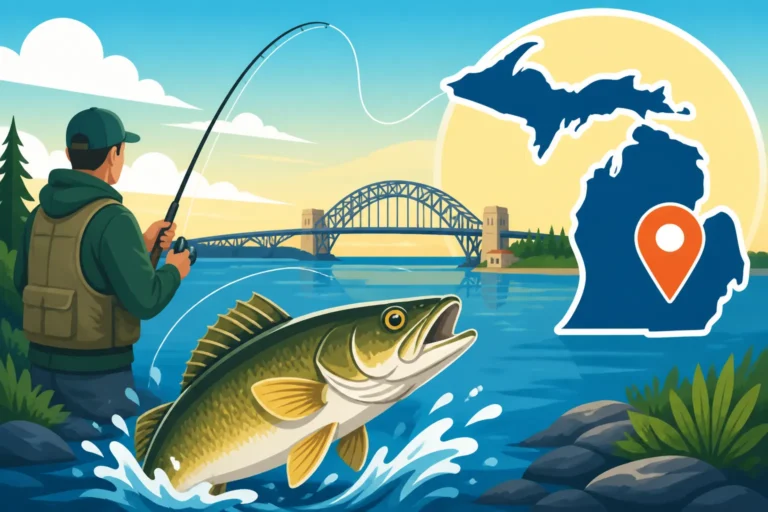
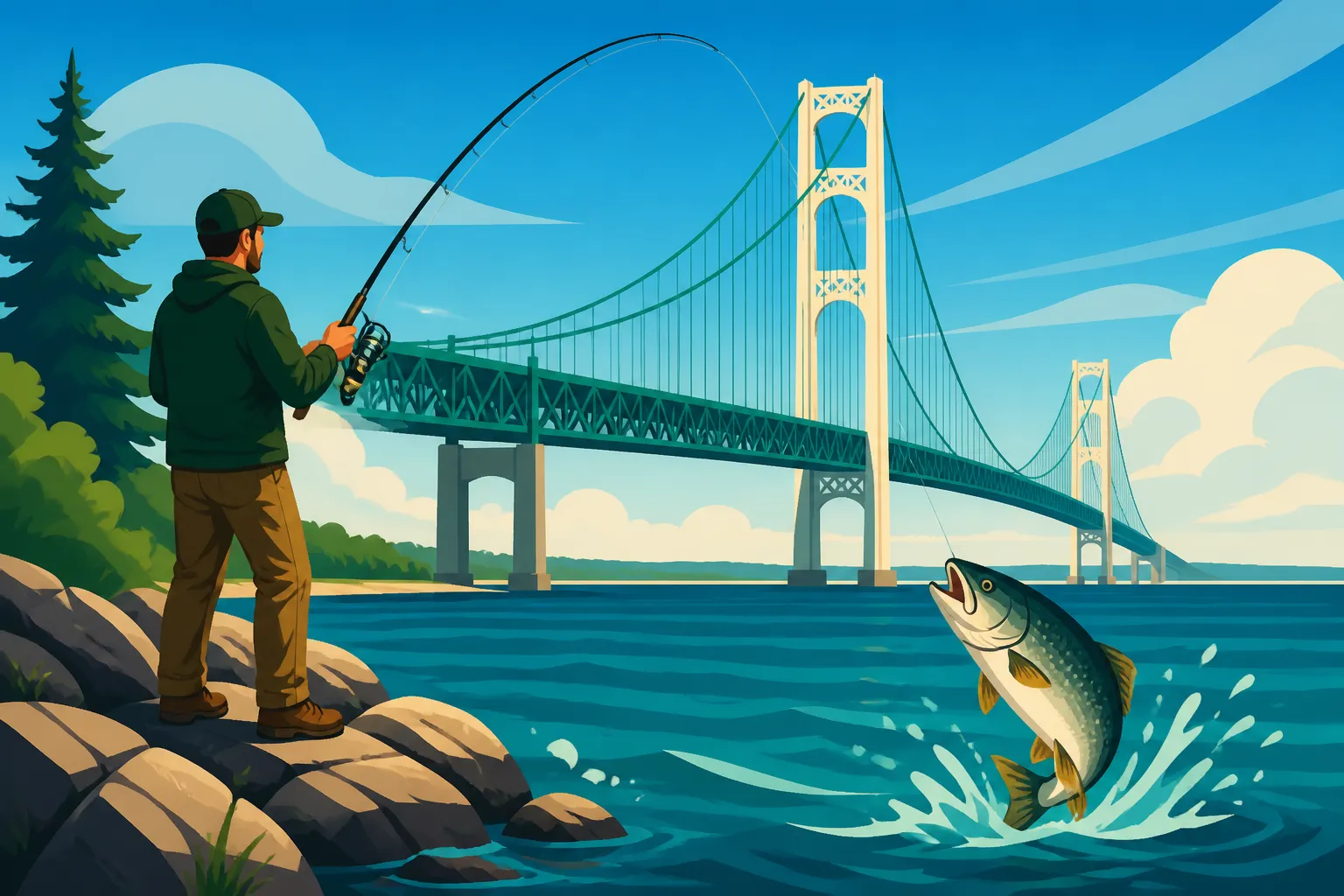
While you can't actually fish directly from the Mackinac Bridge itself (it's a busy highway!), there are several excellent public access points along the shorelines on both the Upper and Lower Peninsula sides. These areas offer stunning views of the bridge alongside prime fishing spots. The geography often features steep drop-offs close to shore, particularly in Mackinaw City, where the water can quickly descend to significant depths. On the St. Ignace side, the shoreline might be a bit shallower initially, but the currents remain a constant factor. The key is to look for public parks, designated fishing piers, and areas where the Michigan Department of Natural Resources (DNR) maintains access points. Many of these spots are popular with tourists, so it's wise to plan your visit during off-peak hours or seasons if you prefer more solitude. Remember, knowing the general lay of the land will dramatically improve your chances of finding fish and avoiding frustration.
Prime Shoreline Fishing Locations Around the Mackinac Bridge
Now that we understand the unique environment, let's pinpoint some of the best spots along the Mackinac Bridge shoreline where you can actually wet a line. Each location offers its own charm and fishing potential, so it's worth exploring a few to find your favorite.
Mackinaw City Public Piers and Waterfront Parks
On the Lower Peninsula side, Mackinaw City is the primary hub, offering several easily accessible shoreline fishing opportunities. The public piers, particularly the city marina piers, are a fantastic starting point. These structures extend into deeper water, giving you an advantage over pure shore casting. Here, you can target a mix of species depending on the season. In the spring and fall, you might encounter steelhead and brown trout making their way through the straits. During the summer months, smallmouth bass will patrol the shallower rocky areas, and yellow perch are often present, especially near any structure or weed beds.
When fishing these piers, come prepared for strong currents. You'll want to use heavier sinkers to keep your bait on the bottom or lures that can cut through the water effectively. Spinners, spoons, and jigs are all popular choices. For bait, live minnows, worms, or spawn bags can be highly effective, especially for trout and salmon. Just remember to check the current Michigan fishing regulations every angler should know before you head out, particularly for bait restrictions in certain areas or for specific species. Casting parallel to the pier or letting your bait drift with the current can often be more productive than casting straight out.
St. Ignace Waterfront and Adjacent Shoreline Access
Crossing over to the Upper Peninsula, St. Ignace provides another excellent base for Mackinac Bridge shoreline fishing. Similar to Mackinaw City, the St. Ignace public docks and waterfront areas offer accessible spots. The fishing here can mirror that of Mackinaw City, with opportunities for trout, salmon, smallmouth bass, and perch. The currents are just as potent, if not more so, on this side, especially closer to the bridge itself.
Areas like the Little Bear Lake County Park, a short drive from downtown St. Ignace, might offer a different shoreline experience, potentially with more varied bottom structure or calmer coves, though still influenced by the larger Great Lakes system. When fishing from the St. Ignace side, employing similar techniques as in Mackinaw City will serve you well. Heavy jigging spoons, substantial swimbaits, and bottom-bouncing rigs with natural bait are all good options. Early morning or late evening often yield the best results, as fish become more active during these cooler, lower-light periods. If you're considering a more extensive trip, looking into available charters on platforms like FishingBooker could provide insights into what local guides are catching, which can indirectly inform your shore fishing approach.
Designated State Parks and Recreation Areas
Beyond the immediate urban waterfronts, Michigan offers several state parks and recreation areas that provide access to the broader Mackinac Bridge shoreline. These spots often boast a more natural setting, allowing you to immerse yourself in the beauty of the Straits.
For instance, Straits State Park in St. Ignace offers shoreline access with stunning views of the bridge. While specific fishing "hot spots" within the park might require a bit of exploration on foot, the varied shoreline can hide pockets of calmer water or deeper channels where fish congregate. On the Lower Peninsula side, the Mackinaw City Recreation Area offers a similar experience, with ample public access points along the shore. These areas are fantastic for those who enjoy a bit of hiking or searching for their own secluded fishing niche. They are also excellent places to observe migratory birds and enjoy the natural splendor of Michigan. Always be mindful of park rules and regulations, ensuring you're fishing in designated areas and respecting the natural environment. These parks provide a perfect backdrop for a relaxing day of fishing, whether you're targeting the thrill of a steelhead or the steady bite of yellow perch.
Strategies for Success and Navigating Regulations
Fishing the Mackinac Bridge shoreline requires a blend of local knowledge, appropriate gear, and a solid understanding of Michigan's fishing rules. Don't let the strong currents intimidate you; with the right approach, you can have a very rewarding experience.
Mastering the Currents, Depths, and Seasonal Species
The currents in the Straits of Mackinac are no joke. They can quickly strip lightweight tackle or create unnatural presentations. To combat this, you'll generally need heavier gear than you might use on a typical inland lake. Think medium-heavy to heavy action rods, stout reels spooled with at least 10-15 lb test monofilament or braid, and a selection of sinkers weighing 1/2 ounce up to 2 ounces or more, depending on the current strength. For lures, heavy spoons (like Little Cleos or Krocodiles), larger spinners, and swimbaits with weighted jig heads are often effective. For bait fishing, a three-way swivel rig with a heavy bell sinker and a short leader for your bait can keep it in the strike zone.
Understanding the seasonal movements of fish is also paramount. Spring and fall are prime times for the various trout and salmon species, as they migrate through the Straits. Steelhead runs in Michigan rivers typically occur in spring, and many of these fish stage or pass through the Straits. Similarly, the fall salmon run brings numerous Chinook and Coho salmon close to shore. During these periods, focus on fishing early mornings or late evenings, especially after a good rain, which can often trigger feeding activity. In the summer, smallmouth bass will be more active in shallower, rocky areas, and perch will school up in predictable patterns. If you're looking to target a specific type of fish, knowing the best time of year to fish in Michigan will definitely give you an edge. Many anglers find it helpful to consult local fishing reports, and sometimes even charter listings on sites like FishingBooker, to get a sense of what's currently biting and where.
Essential Gear and Lure Choices for Shoreline Anglers
Having the right gear is crucial for tackling the challenging conditions around the Mackinac Bridge. Beyond heavy rods and reels, consider the following:
- Waders: Depending on your chosen spot, a good pair of chest waders can allow you to get into slightly shallower water, extending your casting range and opening up new angles. Just be incredibly cautious of slippery rocks and strong undertows.
- Net: A long-handled landing net is essential, especially if you're targeting larger fish like salmon or lake trout from a pier or elevated bank. Trying to hoist a big fish by the line is a recipe for disaster.
- Lures:
- Spoons: Chrome, blue/silver, orange/gold, and chartreuse are classic colors for salmon and trout.
- Jigs: Heavy bucktail jigs or plastic swimbaits on weighted jig heads work well for smallmouth bass and even walleye if present.
- Spawn Bags: For trout and salmon, especially during their runs, natural or artificial spawn bags under a float or on a bottom rig are hard to beat.
- Bait: Live minnows (where permitted), nightcrawlers, and cut bait can be highly effective for bottom feeders and predatory fish alike. Always verify bait regulations.
Here's a quick reference table for target species and techniques:
| Location Type | Target Species | Common Techniques | Essential Gear Considerations |
|---|---|---|---|
| Mackinaw City Piers | Yellow Perch, Smallmouth Bass, Trout, Salmon | Bottom Rigs, Jigging, Casting Spoons/Spinners | Heavy sinkers (1-2 oz+), long landing net |
| St. Ignace Waterfront | Yellow Perch, Smallmouth Bass, Trout, Salmon | Bottom Rigs, Casting Lures, Live Bait | Medium-heavy to Heavy Rod, Strong Currents |
| State Park Shorelines | Smallmouth Bass, Trout, Salmon, Panfish | Casting, Wading (with caution), Slip Bobbers | Waders, varied lure selection, patience |
Understanding Michigan's Fishing Regulations
Before you even cast your first line, it's absolutely vital to be familiar with the Michigan fishing regulations every angler should know. Michigan has specific rules that vary by water body and species, and the Great Lakes, including the Straits of Mackinac, have their own set of guidelines.
First and foremost, you'll need a Michigan fishing license. Whether you're a resident or a nonresident, there are specific requirements you need to meet, so be sure to read our comprehensive Michigan Fishing License Guide for Residents and Nonresidents. Ignoring this can lead to hefty fines! Beyond the license, pay close attention to:
- Bag and Size Limits: Different species have different daily possession limits and minimum (or sometimes maximum) size limits. For instance, there are specific rules for Michigan's combined trout and salmon daily limit, and distinct regulations for Michigan walleye daily possession limit and Michigan smallmouth and largemouth bass daily limit. Make sure you know these for every species you plan to target.
- Season Dates: While some species can be fished year-round in Great Lakes waters, others have specific open and closed seasons. Always verify the current Michigan fishing season dates and rules.
- Bait Restrictions: Some areas or for certain species, there might be restrictions on using live bait or specific types of bait.
- Muskellunge Harvest Reporting: If you're lucky enough to hook into a muskellunge, there are strict reporting rules you must follow.
The Michigan Department of Natural Resources (DNR) publishes a fishing guide annually, which is available online and at license retailers. Make it a habit to check the most current version, as regulations can change. Being prepared and informed ensures a legal and enjoyable fishing experience along the magnificent Mackinac Bridge shoreline.
Disclaimer
Fishing in any body of water carries inherent risks. Always prioritize safety, especially when dealing with strong currents, slippery surfaces, and variable weather conditions in the Great Lakes region. Wear appropriate safety gear, such as a personal flotation device if wading in uncertain conditions, and inform someone of your fishing plans. Be aware of your surroundings, understand ice safety if fishing in winter, and always adhere to all local and state regulations. The information provided here is for general guidance and should be supplemented with the most current official regulations from the Michigan Department of Natural Resources (DNR).