Higgins Lake Fishing Access Points
Finding a great spot to launch your boat, cast a line from shore, or just get your gear to the water can sometimes feel like solving a puzzle, especially on popular, sprawling lakes. Higgins Lake, with its crystal-clear waters and incredible fishery, is a gem in Michigan, but knowing the best access points can make or break your fishing trip. This guide is dedicated to breaking down exactly where and how you can get onto Higgins Lake to start your angling adventure, ensuring you spend less time searching and more time fishing.
Unpacking Higgins Lake's Angling Allure
Higgins Lake isn't just any body of water; it's a magnificent deep-water lake known for its stunning clarity, cold depths, and a robust population of diverse fish species. For anglers across Michigan and beyond, it represents a prime destination, offering everything from challenging deep-water pursuits to exciting shallow-water skirmishes. The sheer beauty of the lake, combined with its fantastic fishing opportunities, makes understanding its access points a critical first step for any successful outing.
A Deep Dive into Higgins Lake's Fisheries
What truly draws anglers to Higgins Lake year after year is the incredible variety and quality of its fish. This lake is renowned for its cold-water species, particularly trout and salmon. You'll find healthy populations of lake trout lurking in the deeper, colder sections, offering a thrilling fight for those prepared to troll or jig. Beyond the lake trout, anglers often encounter brown trout and rainbow trout, especially during specific seasons when they are more active in shallower areas or near structure.
But it’s not just about the trout and salmon. Higgins Lake also boasts a strong warm-water fishery, particularly for yellow perch. These panfish are a favorite among many, offering consistent action and a delicious reward. Anglers targeting perch can find them in a variety of depths, often schooling over weed beds or near drop-offs. Beyond perch, northern pike are present, providing another exciting target, particularly for those who enjoy casting larger baits. Every species thrives here thanks to the lake's pristine conditions and abundant forage, making it a diverse and rewarding fishery. If you're curious about all the possibilities, you might want to check out our broader guide on Michigan's Most Popular Fish Species.
Navigating the Lake's Unique Characteristics
Higgins Lake is not a typical shallow, weedy inland lake. It’s one of Michigan's deepest inland lakes, reaching depths over 135 feet, with an average depth of around 40 feet. This deep, cold water is precisely what allows species like lake trout and salmon to thrive. The lake's exceptional clarity, with visibility often extending 20 to 30 feet, means that presentation can be critical. Fish are often sight-feeding, so your tackle, line, and lure choice become even more important.
The lake bottom is largely sandy, but there are areas of gravel, rock, and submerged wood structure that create excellent fish habitat. Understanding these underwater contours can be just as important as knowing your access points. For instance, deep-water humps and ledges are prime spots for lake trout, while shallower weed beds along the extensive shorelines can hold significant numbers of perch and pike. The northern and southern ends of the lake tend to be shallower, gradually dropping off into the deeper central basin. This varied topography means different access points might lend themselves better to specific fishing strategies or target species.
Key Public Access Points for Higgins Lake Fishing
When it comes to getting on Higgins Lake, you're fortunate to have well-maintained public access options. Unlike some more secluded lakes, the Michigan Department of Natural Resources (DNR) and state parks ensure that anglers have ample opportunity to launch boats, fish from shore, or simply enjoy the lake. Knowing the specifics of each can help you plan your day efficiently, whether you’re heading out with a large fishing boat or just looking for a quiet spot to cast a line.
North Higgins Lake State Park Access
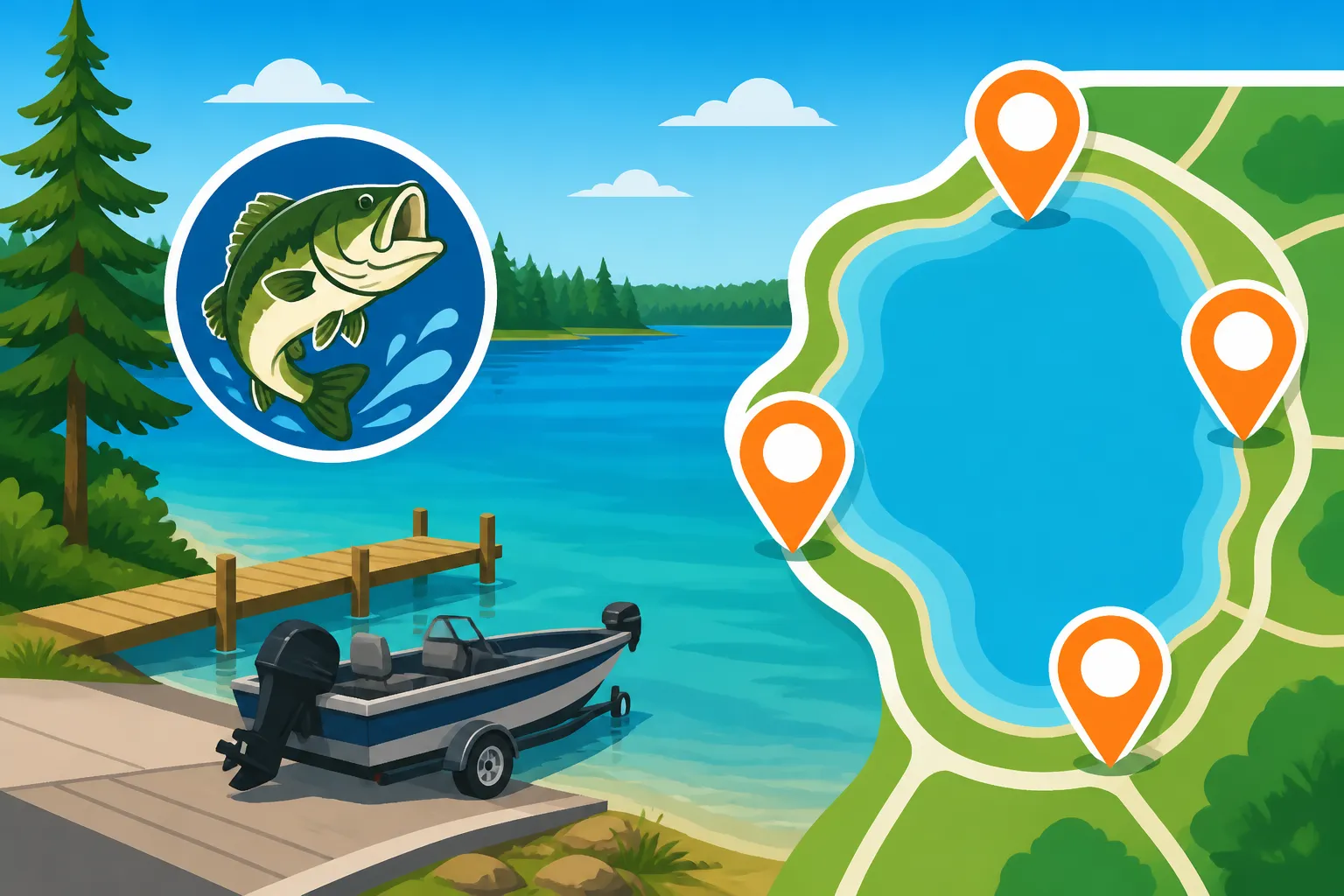
North Higgins Lake State Park, located on the northern shore of the lake, is a fantastic gateway for anglers. This park offers a well-maintained public boat launch that can accommodate a variety of boat sizes, from small fishing boats to larger vessels used for trolling. The launch features ample parking, including designated spots for trailers, which is a huge relief on busy summer mornings. The boat ramps are typically in excellent condition, making for smooth launching and retrieval.
For those without a boat, the park also provides good opportunities for shore fishing. There are sections of shoreline, particularly near the day-use areas and designated fishing piers, where you can cast a line. While shore fishing on such a large, deep lake might not offer the same opportunities as a boat for reaching deep-water species, it's an excellent option for targeting yellow perch, panfish, and even occasional northern pike that cruise the shallows. The park's amenities, including restrooms and picnic areas, make it a comfortable spot for a full day of fishing, whether you're bringing the family or heading out for a solo adventure. Remember that a Michigan Recreation Passport is typically required for vehicle entry into state parks.
South Higgins Lake State Park Access
On the southern end of the lake, South Higgins Lake State Park offers another excellent public access point. Similar to its northern counterpart, this park boasts a top-notch boat launch facility with multiple ramps, making it one of the busiest and most popular access points on Higgins Lake. The parking areas are extensive, designed to handle the significant summer crowds, but it’s always wise to arrive early on peak weekends. This launch is particularly favored by anglers looking to head out for a day of trolling for lake trout or salmon in the deeper parts of the lake.
Shore anglers also have good prospects at South Higgins Lake State Park. There are accessible areas along the shoreline and often a fishing pier, providing great opportunities to catch yellow perch and other panfish. The southern end of the lake tends to warm up a bit faster in the spring, potentially making it a good early-season spot for certain species. The park's facilities, including a large campground, swimming beach, and concession stands, mean you have everything you need for a comfortable visit. Just like North Higgins, you'll need a Michigan Recreation Passport for vehicle entry. When planning your trip, consider what kind of boat you’ll need by reviewing resources like Best Boats for Michigan Fishing.
DNR Public Access Sites and Boat Launches
Beyond the two major state parks, the Michigan Department of Natural Resources (DNR) also maintains a few smaller, less developed public access sites around Higgins Lake. These sites often consist of a single boat ramp and limited parking, making them ideal for smaller boats, kayaks, or canoes. While they might not have the extensive amenities of the state parks, they offer a quieter, often less crowded alternative for accessing the lake.
One such example is the DNR access site located on the western side of the lake, sometimes referred to simply as the "West Higgins Lake DNR Access." These smaller sites are perfect if you're looking for a more subdued launch experience or if you primarily fish with a kayak or a smaller fishing vessel that doesn't require a large, multi-lane ramp. They can be excellent starting points for exploring specific sections of the lake that might be less frequented by larger boats. Always check the Michigan DNR website or map resources for the most up-to-date locations and conditions of these smaller access points, as they can sometimes change. If you're planning a trip and need a guide or charter, remember that platforms like FishingBooker can help you find local captains familiar with these lesser-known launch spots.
Strategizing Your Visit to Higgins Lake Access Points
Visiting Higgins Lake for a fishing trip is an experience that can be optimized with a bit of planning. The choice of access point can heavily influence your day on the water, dictating everything from your travel time to your fishing success. Thinking about the time of year, the species you're targeting, and the gear you're bringing will guide you to the most effective entry point.
Seasonal Considerations for Access and Fishing
The seasons play a huge role in both access and fishing patterns on Higgins Lake. In the spring, after the ice recedes, the state park launches become bustling hubs. This is often a fantastic time for targeting lake trout as they begin to move higher in the water column before the full summer heat sets in. The water is still cold, and many fish are actively feeding. As summer progresses, the lake's popularity for recreational boating peaks, meaning boat launches can get incredibly busy, especially on weekends. Arriving early at North or South Higgins Lake State Park becomes paramount to avoid long lines.
Fall brings a change in pace and some truly spectacular fishing. The crowds thin out, and the lake trout become incredibly active again. This is also a fantastic time for brown trout, which can put on quite a show. During winter, Higgins Lake transforms into an ice fishing paradise. While the main boat launches are closed, various access points around the lake become popular entry points for ice anglers. Always prioritize safety and check ice conditions meticulously before venturing out. For more in-depth information, our guide to Michigan Ice Fishing Guide is an invaluable resource. Regardless of the season, understanding the current Michigan Fishing Season Dates and Rules is crucial to staying compliant and maximizing your catch.
Essential Gear and Preparations for Higgins Lake
Before you even think about which access point to use, make sure your gear is dialed in for Higgins Lake. If you're chasing lake trout, a stout rod and reel capable of handling heavy lines and deep-diving lures or jigging spoons are essential. Many anglers utilize downriggers for effective trolling in the deeper sections. For perch, a lighter panfish setup with small jigs or live bait like wigglers or minnows will serve you well. Northern pike anglers will want to use medium-heavy setups with wire leaders to prevent bite-offs from their razor-sharp teeth.
Don't forget the practical necessities either. A valid Michigan Fishing License Guide for Residents and Nonresidents is non-negotiable – you can even purchase your Buying a Michigan Fishing License Online beforehand to save time. Sunscreen, bug spray, plenty of water, and appropriate clothing are always wise. For boaters, ensure all safety equipment, including life jackets, is on board and in good working order. With such clear waters, polarized sunglasses are also a huge advantage for spotting structure or even cruising fish in shallower areas. If you're bringing your own boat, checking trailer lights, tires, and boat fluids before you leave home can prevent roadside headaches. If you're coming from out of state, be sure to read Nonresident Fishing in Michigan: What the Law Requires.
Comparing Higgins Lake Fishing Access Points
To help you make an informed decision on where to access Higgins Lake, here’s a quick overview of the main public access points and what each offers. This table highlights the primary features and considerations for different types of anglers.
| Access Point | Primary Type of Access | Facilities | Best For | Key Considerations |
|---|---|---|---|---|
| North Higgins Lake State Park | Boat Launch & Shore | Multiple ramps, ample parking, restrooms, picnic | Larger boats, family trips, varied species | Recreation Passport required, can be busy, good for general access |
| South Higgins Lake State Park | Boat Launch & Shore | Multiple ramps, extensive parking, restrooms, camping | Larger boats, deep-water trolling, ice fishing | Recreation Passport required, very busy in summer, main hub for large vessels |
| West Higgins Lake DNR Access | Boat Launch | Single ramp, limited parking, no amenities | Smaller boats, kayaks/canoes, quieter launch | Less amenities, sometimes requires more local knowledge, check conditions first |
When choosing your access point, consider your personal preferences. Do you prefer the convenience of state park amenities, even with potential crowds? Or do you value a quieter, more straightforward launch for a smaller craft? If you're looking to explore specific areas of the lake, knowing which access point puts you closest to your desired fishing grounds can save you valuable time. You can often find local bait shops or tackle stores near these access points, like those found by searching for Michigan DNR License Dealer Locations Near Me, which can also offer up-to-date fishing reports and bait specific to Higgins Lake. Sometimes, booking a local guide through platforms like FishingBooker can even help you discover lesser-known, convenient access points.
Mastering the Waters Beyond the Launch
Once you've successfully launched from your chosen access point, the real adventure begins. Higgins Lake is vast, and knowing where to focus your efforts can be daunting. But with a bit of local knowledge and an understanding of fish behavior, you can significantly increase your chances of a memorable catch. The key is to connect the dots between your access point and the prime fishing real estate.
Navigating Higgins Lake's Expansive Waters
For boat anglers, having a good map or GPS unit is invaluable on Higgins Lake. Its size and depth mean that specific contours, drop-offs, and submerged structures are critical for finding fish, especially species like lake trout and salmon. If you're launching from South Higgins Lake State Park, you might find yourself closer to some of the deepest parts of the lake, making it a natural starting point for deep-water trolling or jigging. Anglers launching from North Higgins Lake State Park might find themselves in a good position to work the extensive flats and weed lines on the northern side, which can hold perch and pike.
Keep an eye on your fishfinder for schools of baitfish, as predatory species are rarely far behind. Look for sharp changes in depth, known as breaklines, as these are natural highways for fish moving between shallow feeding grounds and deeper safety. During certain times of the year, particularly spring and fall, fish might be found shallower than you’d expect, even in a deep lake like Higgins. Don't be afraid to experiment with different depths and techniques until you find what works. Some anglers even use services like FishingBooker to hire a local guide for a half-day, just to get oriented with the lake's hotspots and learn some effective techniques specific to Higgins.
Matching Your Technique to the Fish and Access Point
Your chosen access point might also influence your fishing technique for the day. If you're planning on fly fishing for trout (though less common directly on Higgins, but possible in feeder streams), launching a small boat or kayak from a quieter DNR site might be more suitable than a bustling state park launch. For those targeting lake trout from a larger vessel, a state park launch provides the space and facilities needed for substantial boats and gear.
- Trolling: This is a popular and effective method for lake trout and salmon on Higgins. Using downriggers to present spoons or stickbaits at precise depths is key. Launching from either state park is ideal for this, as you'll have easy access to the open water needed for trolling runs.
- Jigging: Vertical jigging with heavy spoons or tubes can be very effective for lake trout found over deep-water humps or suspended schools. This technique can be done from any boat once you're on your preferred spot.
- Live Bait: For perch, a simple slip bobber rig with a minnow or a wiggler fished near weed edges or drop-offs is often deadly. Shore anglers can certainly employ this method from the state park fishing piers or designated shore access areas.
- Casting: For northern pike, casting large spoons, crankbaits, or soft plastics near weed beds and points can be productive. Launching a smaller boat or kayak from a quieter access point might allow you to explore these shallower, structure-rich areas more effectively.
No matter your chosen technique, always be mindful of other anglers and boaters. Higgins Lake is a shared resource, and respectful behavior ensures a pleasant experience for everyone. Always keep up-to-date with Michigan Fishing Regulations Every Angler Should Know to ensure you're fishing legally and sustainably.
Disclaimer
The information provided in this guide is for general informational purposes only and is subject to change. Always consult the official Michigan Department of Natural Resources (DNR) website and current fishing regulations digest for the most accurate and up-to-date rules, regulations, and access point information. Fishing conditions, ice thickness, and park amenities can vary, so it's always wise to check local conditions before planning your trip.