Torch Lake, Michigan, Fishing Spots
Torch Lake, with its stunning turquoise waters and incredible clarity, often feels less like a Michigan inland lake and more like a Caribbean escape. While its beauty is undeniable, this vastness and depth can be incredibly intimidating for anglers trying to figure out where to drop a line. You might stand on the shore, marveling at the sheer size, and wonder if you'll ever find the fish. This guide is designed to cut through that overwhelm, helping you pinpoint the best fishing spots on Torch Lake and understand what makes this northern Michigan gem tick for successful angling.
Understanding Torch Lake's Unique Fishing Environment
Torch Lake isn't just another pretty face; it's a geological marvel that presents both challenges and fantastic opportunities for fishermen. Its distinct characteristics, primarily its immense depth and crystal-clear waters, dictate how fish behave and, consequently, how anglers should approach their pursuit.
Deep Waters and Clear Visibility
Picture this: standing on the shore, you can see pebbles and small fish dozens of feet out. That's Torch Lake for you! This incredible clarity, a result of its glacial origins and fed by pristine springs, means light penetrates much deeper than in most lakes. While beautiful for swimming, it also means fish can be more wary and seek deeper cover, especially during bright daylight hours. They're just not as comfortable in the shallows when they know they're easily spotted by predators (including us anglers!).
The lake plunges to depths exceeding 300 feet in some areas, making it the deepest inland lake in Michigan. This creates a vast, cold water column that is home to species that thrive in such conditions, particularly trout and salmon. Understanding this deep-water habitat is crucial; you won't be casually casting a bobber and worm in 5 feet of water hoping for a lunker here. It often requires specialized gear and techniques to reach where the fish are holding, especially in the warmer months.
Primary Fish Species Targeted
Torch Lake is a truly diverse fishery, boasting a healthy population of both warm-water and cold-water species. For many, the allure lies in its formidable cold-water inhabitants. Lake trout are a prime target, often found lurking in the deeper, cooler sections of the lake. These powerful fish can grow quite large and offer an exciting fight. Rainbow trout, often referred to as steelhead when they return from the Great Lakes, are also present, as are brown trout. And let's not forget the landlocked salmon – specifically Atlantic salmon, which have been successfully stocked here for years and provide a unique sportfishing opportunity, especially in the spring and fall. These pelagic species often cruise open water, making them a challenge but also incredibly rewarding to find.
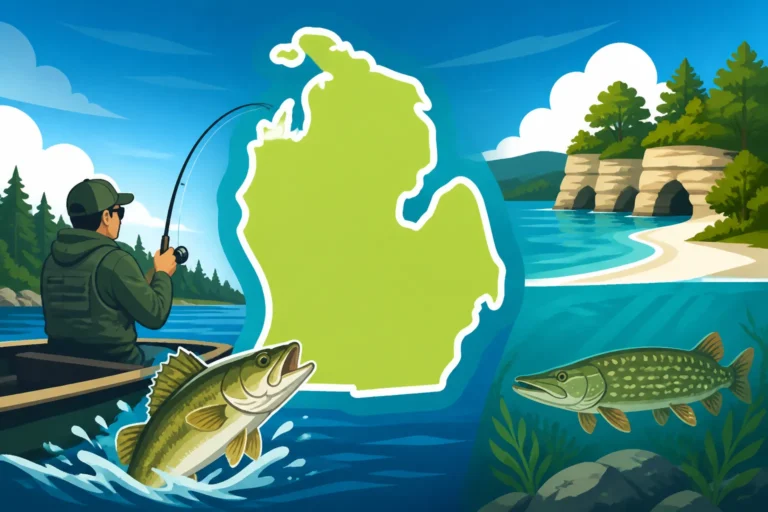
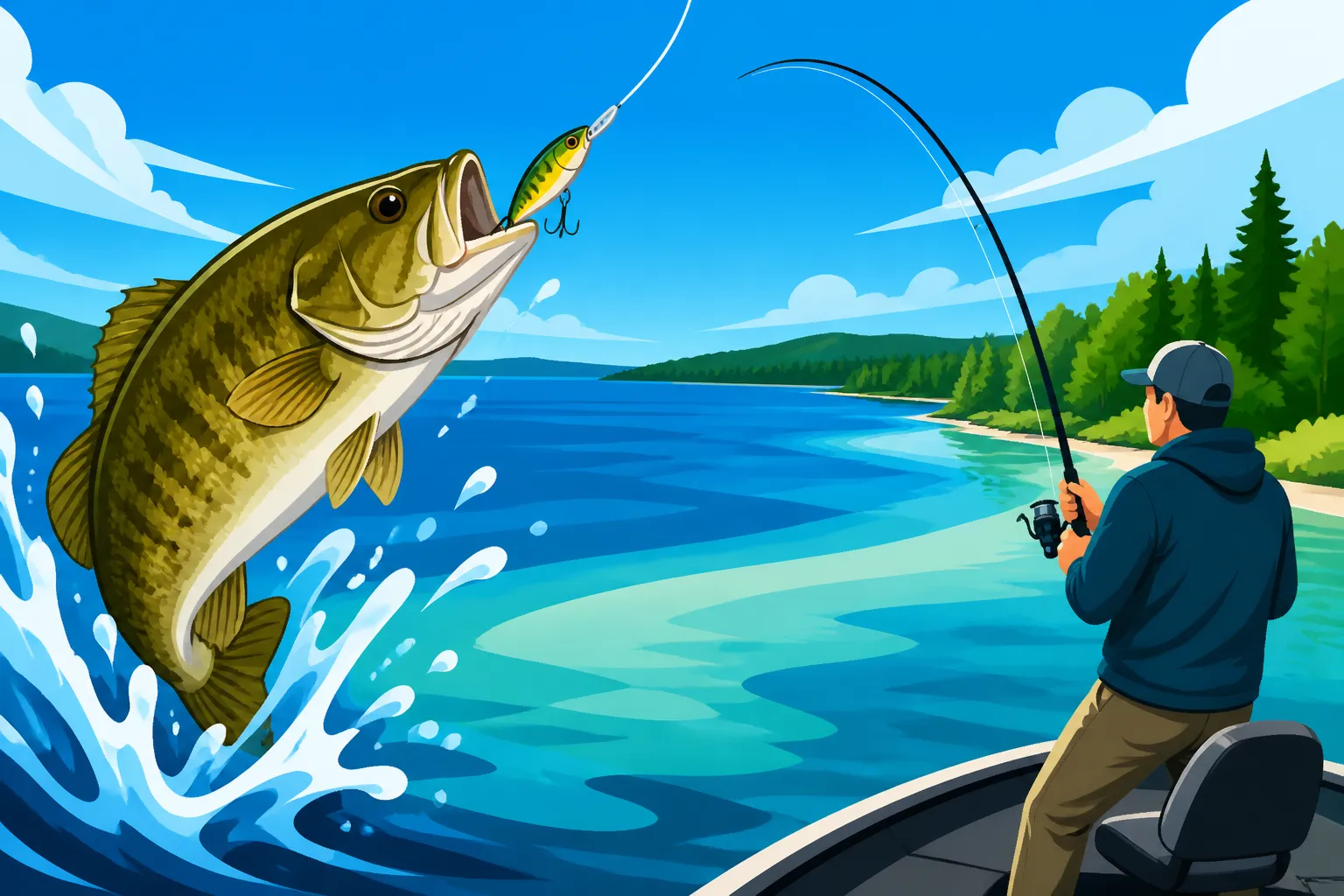
On the warmer side, Torch Lake supports a strong population of smallmouth bass, particularly around rocky structures and drop-offs. These feisty fighters are a blast on light tackle. Walleye are also present, though often harder to target than in some other Michigan lakes due to the clarity and depth. You'll also find northern pike, perch, and various panfish, providing options for anglers of all skill levels and preferences. It's a lake where you can genuinely switch gears from chasing a trophy trout to battling a chunky smallmouth in the same day if you know the right spots and techniques. If you're wondering about the specific differences between some of these species, you might find our guide on "Lake Trout Identification in Michigan" particularly helpful.
Top Fishing Spots on Torch Lake
Navigating Torch Lake's nearly 19,000 acres can feel like searching for a needle in a haystack if you don't have a game plan. However, with a little knowledge of its geography and the fish it holds, you can significantly narrow down your search to some truly productive areas.
Northern Shallows and Bays
While the lake is known for its depth, the northern end offers shallower, more sheltered bays and flats that are perfect for certain species, especially during the spring and early summer or late fall. Areas like Clam River, which flows into Torch Lake from Clam Lake and Bellaire Lake, create a natural funnel for fish moving between systems. The mouth of the Clam River, and the shallows immediately surrounding it, can be fantastic for smallmouth bass and northern pike, especially when they're feeding on baitfish congregating there.
These northern areas also feature extensive weed beds and transition zones from sandy bottom to rocky structures. These habitats are magnets for yellow perch and other panfish, offering some great action for anglers looking for a consistent bite. Target the edges of these weed lines with jigs or live bait. During the spawning season, walleye might also make an appearance in these shallower, warmer sections before retreating to deeper water. When planning your trip, consider checking out available charters or guides on platforms like FishingBooker, as local experts often know the exact timing and hot spots in these northern reaches.
Southern Depths and Drop-offs
As you move south on Torch Lake, the true deep-water character of the lake emerges. This southern expanse is where the massive lake trout, Atlantic salmon, and even some deep-water whitefish make their home. Look for severe drop-offs, underwater humps, and ledges. These topographical features create current breaks and ambush points that attract baitfish, and where the predators aren't far behind. Popular areas include the deeper sections off the coast of Alden and around the natural channel that leads towards Elk Lake.
Trolling is often the most effective method here, employing downriggers or lead core line to get your baits down to the depths where these fish lurk. Depths from 80 to 200 feet are not uncommon targets. Pay close attention to your fish finder for bait balls and suspended fish arches. Finding these pockets of activity is key to success in such a vast, deep water column. A good understanding of "Trolling Gear for Michigan's Great Lakes" can translate directly to success in these deep Torch Lake waters.
Key Structure and Cover Areas
Beyond the general northern and southern zones, specific structures and cover areas offer consistent fishing opportunities across the lake. Rocky points and shoals, both visible and submerged, are magnets for smallmouth bass. Work these areas with tubes, drop shots, or crankbaits, focusing on the transition zones where rock meets sand or weeds. The clearer the water, the more subtle your approach might need to be.
Sunken islands and deep-water humps are crucial for cold-water species. These aren't always easy to find without good electronics, but once located, they can hold schools of lake trout or salmon. For example, there are several known humps in the middle section of the lake that rise significantly from the surrounding deep basin. These act like underwater oases, attracting bait and predators alike. Lastly, areas with scattered submerged timber, though less common in Torch Lake's predominantly clean bottom, can provide excellent cover for northern pike and even some larger panfish. It’s worth noting that if you're not familiar with the lake's specific contours, booking a trip through services like FishingBooker can connect you with guides who know these secret spots intimately.
| Fish Species | Primary Location | Best Season | Recommended Gear/Technique |
|---|---|---|---|
| Lake Trout | Southern deep basins, underwater humps | Year-round (best Spring/Fall) | Trolling with downriggers, heavy jigs |
| Atlantic Salmon | Open water, southern depths, channel | Spring, Fall | Trolling, some casting near surface in low light |
| Smallmouth Bass | Northern bays, rocky points, drop-offs | Late Spring, Summer | Casting crankbaits, tubes, drop-shots, live crawlers |
| Northern Pike | Northern weed beds, river mouths | Spring, Fall | Casting spoons, spinnerbaits, large minnows |
| Yellow Perch | Northern shallows, weed edges | Year-round | Small jigs, worms, minnows, tip-ups (ice fishing) |
| Walleye | Northern flats, deep edges | Spring, Fall (dawn/dusk) | Jigging, trolling crankbaits, night fishing with crawler harnesses |
Best Techniques and Times to Fish Torch Lake
Fishing Torch Lake isn't just about finding the right spot; it's about understanding the seasonal movements of fish and employing the most effective techniques for the incredibly clear and deep environment. A little planning goes a long way here.
Seasonal Strategies for Different Species
Spring: As the ice recedes, Torch Lake truly awakens. This is prime time for Atlantic salmon and rainbow trout (steelhead) that might be lingering from their spawning runs or cruising near the surface in cooler waters. Trolling small spoons or stickbaits in the upper water column can be very effective, especially near the northern end where the Clam River enters. "Michigan's Spring Fishing Season Guide" offers a broader look at what to expect across the state during this vibrant time. Smallmouth bass also become active, moving into shallower rocky areas as water temperatures rise, making them a great target for casting jigs and small crankbaits.
Summer: The lake stratifies, pushing cold-water species deeper. This is when lake trout are found in their deep-water haunts, requiring downriggers and deep trolling. Early mornings and late evenings can still produce smallmouth bass in shallower rocky areas, but they often retreat to deeper cover during the bright midday sun. Northern pike can be found in the northern weed beds, while yellow perch offer consistent panfish action. The clear water means fishing often slows during bright, sunny days, so focus on low-light periods.
Fall: This is arguably one of the best times to fish Torch Lake. As water temperatures drop, fish become more active. Atlantic salmon and lake trout begin to move shallower and feed aggressively before winter. Trolling remains effective, but you might find them higher in the water column. Smallmouth bass gorge themselves, making them very catchable around rocky points and drop-offs. The fall colors reflecting on the lake's clear waters also make for an absolutely breathtaking experience, regardless of your catch.
Winter (Ice Fishing): Torch Lake freezes over, offering fantastic ice fishing opportunities. While the sheer depth can still be a challenge, anglers target yellow perch and walleye in the northern bays and shallower flats. You'll need good ice augers and warm shelters, but the rewards can be plentiful. Deep-water jigging for lake trout through the ice is also possible for the adventurous angler who knows the deep-water humps. For a comprehensive overview of safety and techniques, check out our "Michigan Ice Fishing Guide."
Recommended Baits and Lures
Given the diverse species in Torch Lake, your tackle box should be equally varied.
For Lake Trout and Atlantic Salmon, trolling is key.
- Spoons: Brands like Michigan Stinger, Dreamweaver, or Dodger spoons in natural baitfish patterns (smelt, alewife) or bright, attention-grabbing colors (chartreuse, orange) work well.
- Stickbaits: Jointed or unjointed stickbaits from Rapala (J-13, Husky Jerk) or Storm ThunderSticks can imitate baitfish effectively.
- Flies/Plastic Baits behind Dodgers/Flashers: These can be deadly, especially for salmon, mimicking injured baitfish.
For Smallmouth Bass:
- Tubes: Small, crawfish-imitating tubes (green pumpkin, brown) fished on a jig head are a classic for rocky bottom.
- Drop Shots: Finesse worms or small minnow-imitating soft plastics on a drop-shot rig allow you to present bait naturally in clear water.
- Crankbaits: Medium-diving crankbaits in crawfish or baitfish patterns are excellent for covering water along rocky shorelines.
For Walleye:
- Jigs with soft plastics or live bait: Small jigs tipped with a minnow, piece of crawler, or a soft plastic paddletail are effective when bounced along the bottom in the northern flats during low light.
- Crawler Harnesses: Trolling these with a bottom bouncer can be very productive, especially around twilight.
- Deep-diving crankbaits: When trolling, these can reach walleye holding in slightly deeper water. If you want to refine your approach, our guide on "Michigan Walleye Fishing Techniques" has a ton of great insights.
For Northern Pike:
- Spoons: Larger spoons (silver, gold, five of diamonds) cast into weed edges or trolled.
- Spinnerbaits: Chartreuse, white, or black spinnerbaits are great for working through weeds.
- Large Minnows: Live or dead large shiners under a bobber can be irresistible.
Remember, the clear water often means a lighter line, longer leaders, and more subtle presentations can make a big difference, especially on wary fish. When preparing your gear, consider investing in quality rods and reels appropriate for your target species, as highlighted in our article on the "Best Rods and Reels for Michigan Fishing."
Planning Your Torch Lake Fishing Adventure
A successful fishing trip to Torch Lake, or any large body of water, extends beyond just knowing where the fish are. It involves understanding how to get there, where to launch your boat, and when to enlist local expertise.
Access Points and Boat Launches
Torch Lake offers several public access points and boat launches, which are crucial for getting onto this expansive body of water. The most popular options include:
- Alden Public Access: Located on the western shore in the village of Alden, this launch provides good access to the lake's southern, deeper sections. It's a busy spot during peak season, so plan accordingly.
- Torch Lake Township Day Park (North End): Situated near the Clam River inlet, this launch is ideal for accessing the northern, shallower bays and connecting waters to Clam Lake and Bellaire Lake. It's particularly popular for anglers targeting bass and pike.
- Eastport Boat Launch: On the northeastern side of the lake, this launch offers another convenient entry point, providing access to both central and northern areas of the lake.
Each launch typically has parking, but during busy summer weekends, these can fill up quickly. Always check local regulations regarding parking and launch fees. Ensure your boat is properly registered in Michigan, as detailed in "Michigan Boat Registration Requirements," before you head out. These launches are generally well-maintained, but navigating the lake itself requires attention, as conditions can change rapidly on such a large body of water.
Hiring a Local Guide or Charter
For many anglers, especially those visiting Torch Lake for the first time or wanting to maximize their chances of a trophy catch, hiring a local fishing guide or charter is an invaluable investment. These professionals spend countless hours on the water and possess an intimate knowledge of the lake's ever-changing conditions, secret spots, and the most effective techniques for the day.
A good guide can:
- Save you time: Instead of spending hours searching, they'll take you directly to productive areas.
- Provide specialized gear: Many guides have high-end electronics, downriggers, and tackle specifically suited for Torch Lake's unique fishery, which might be cost-prohibitive for a casual trip.
- Teach you techniques: They can show you how to properly set up for deep-water trolling, read a fish finder, or finesse a smallmouth in clear water.
- Ensure safety: Local captains are experienced with the lake's hazards and weather patterns.
You can often find reputable Torch Lake fishing guides through local bait shops, marinas, or by searching online platforms like FishingBooker. When booking, don't hesitate to ask about their experience, what species they specialize in, and what's typically biting during your planned visit. Remember, always confirm you have your own valid Michigan fishing license, even if fishing with a charter, as required by the "Michigan Fishing License Guide for Residents and Nonresidents." A guide can turn a potentially frustrating day into a memorable success story, especially on a lake as vast and nuanced as Torch.
Disclaimer
Please be aware that fishing regulations in Michigan can change. Always consult the latest Michigan Department of Natural Resources (DNR) fishing guide or website for the most up-to-date rules and regulations regarding seasons, bag limits, and size restrictions before heading out on the water.