Fishing the Mackinac Bridge Waters in Michigan
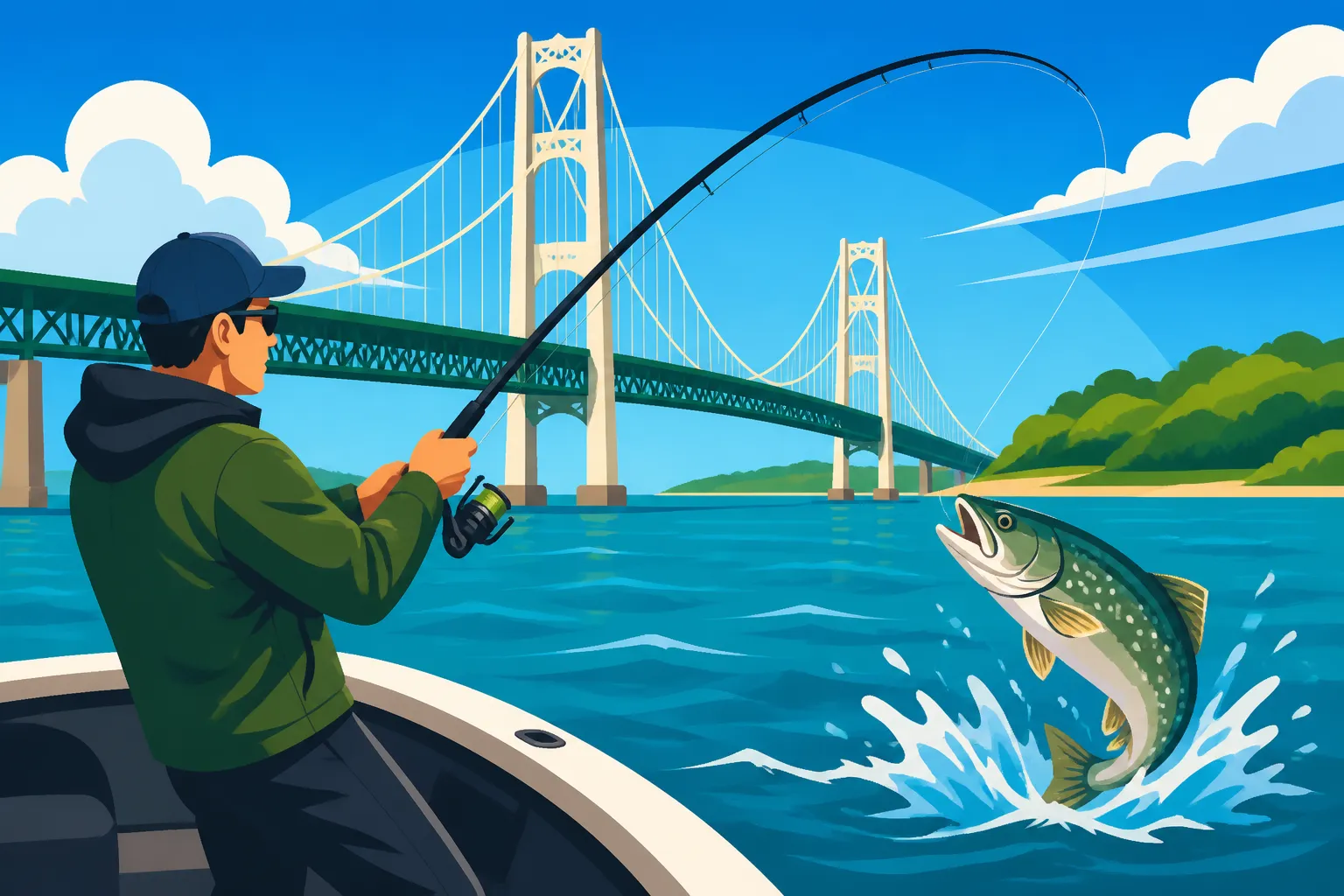
For many anglers, the majestic Mackinac Bridge stands not just as an engineering marvel connecting Michigan's two peninsulas, but as a gateway to some of the most challenging and rewarding fishing in the Great Lakes. The sheer power of the currents, the depths, and the constantly shifting conditions around the Straits of Mackinac can be incredibly intimidating, leaving even seasoned fishermen wondering where to even begin. This comprehensive guide aims to demystify fishing the Mackinac Bridge waters, offering insights into the prime locations, target species, and the most effective techniques to help you tackle this iconic fishery with confidence.
Understanding the Mackinac Bridge Waters Ecosystem
The area immediately surrounding the Mackinac Bridge, commonly referred to as the Straits of Mackinac, is a truly unique aquatic environment where Lake Michigan and Lake Huron meet. This confluence creates a dynamic, nutrient-rich, and often challenging ecosystem that supports a robust and diverse fish population. Understanding these underlying characteristics is key to unlocking its fishing potential.
The Straits of Mackinac: A Unique Confluence
The Straits of Mackinac are essentially a narrow, deep channel connecting two of the world's largest freshwater lakes. This geographical feature means incredible water movement, with powerful currents that can shift direction and intensity depending on wind, seiches, and even the natural ebb and flow between the lakes. These currents constantly churn the water, bringing rich oxygen and food sources to the area, creating a highly productive habitat. The bottom structure is equally diverse, featuring deep channels, rocky reefs, ledges, and sand flats, all carved by millennia of glacial activity and water flow. The sheer depth in some areas, plummeting well over 100 feet, provides cold-water refuges for many species year-round. This constant motion and varied structure make it a vibrant, yet demanding, fishery.
Diverse Fish Species Found Here
Because of this unique blend of cold, deep water, strong currents, and varied bottom structure, the Mackinac Bridge waters are home to an impressive array of fish species. It’s a true melting pot where species from both Lake Michigan and Lake Huron converge, offering anglers a diverse catch. You'll find a mix of prized game fish and excellent table fare.
Commonly caught species include:
- Salmon: Chinook (King) and Coho salmon are prevalent, especially during their spawning runs. They use the Straits as a migration corridor to access tributary rivers.
- Trout: Lake trout are native and abundant, often found in the deeper, colder sections. Rainbow trout (steelhead) and brown trout also pass through, especially during their migratory periods.
- Walleye: While perhaps more famous in Saginaw Bay, significant populations of walleye are present, often hugging the bottom structure.
- Lake Whitefish: These cold-water specialists are a staple in the Straits, sought after for their excellent eating quality.
- Northern Pike: Often found in shallower, weedier bays closer to shorelines on either side of the bridge.
- Smallmouth Bass: Rocky areas and shallower reefs provide excellent habitat for smallmouth bass.
This rich biodiversity means that anglers rarely know what might bite next, adding an exciting element of surprise to every outing. It’s a testament to the health and vitality of Michigan's Great Lakes.
Navigational Challenges and Safety Considerations
Fishing around the Mackinac Bridge is not for the faint of heart, nor for the unprepared. The very elements that make it such a productive fishery—the strong currents and deep waters—also present significant navigational and safety challenges. These are not waters to take lightly, and careful planning is paramount.
The currents can be incredibly powerful, sometimes reaching several knots, which can make boat control difficult, especially for smaller vessels. Wind can whip up quickly, creating rough waves that compound the current issues. Fog can also roll in rapidly, obscuring visibility and making navigation treacherous even for those familiar with the area. It is absolutely crucial to have a well-maintained boat, reliable electronics including GPS and a marine radio, and all required safety gear such as life jackets for everyone on board. Always check the marine weather forecast thoroughly before heading out and be prepared to cut your trip short if conditions deteriorate. Familiarizing yourself with local nautical charts is also highly recommended, as shoals and submerged structures can pose hazards. A wise angler knows when to stay ashore. When planning a trip, considering a guided experience or a charter, which you can often find details for on platforms like FishingBooker, can be a fantastic way to safely learn the ropes of these formidable waters.
Prime Fishing Spots Around the Bridge
While the entire area around the Mackinac Bridge is productive, certain spots consistently hold more fish due to current breaks, depth changes, or specific bottom structure. Knowing these honey holes can significantly improve your success rate.
Fishing Near the Bridge Towers and Pillars
The colossal structures of the Mackinac Bridge itself act as massive artificial reefs, creating complex current breaks, eddies, and shelter for baitfish, which in turn attract predatory species. The bridge piers extend deep into the water, providing vertical habitat in an otherwise expansive open-water environment. Anglers often find excellent fishing directly around these structures, but it requires precision and awareness.
The constant flow of water around the pillars concentrates baitfish, making them prime ambush points for salmon, lake trout, and even aggressive walleye. Trolling close to the pillars, or jigging vertically in the slack water pockets immediately downstream of them, can be incredibly effective. However, approaching these structures requires extreme caution. Boat traffic, strong currents, and submerged debris can all pose risks. Always maintain a safe distance from the bridge itself and be mindful of your proximity to other vessels and the current’s pull. The fishing can be phenomenal, but safety must always be your top priority in these powerful currents.
Deep Water Reefs and Drop-Offs in the Straits
Beyond the immediate vicinity of the bridge, the Straits of Mackinac feature numerous natural deep-water reefs and dramatic drop-offs that are absolute magnets for certain species, particularly cold-water fish like lake trout and whitefish. These areas are essentially underwater mountains and canyons that disrupt the current, providing structure and feeding grounds.
These submerged features, often found at depths ranging from 60 to over 150 feet, create diverse micro-habitats. Lake trout, for example, thrive in these cold, oxygen-rich depths, often congregating along the edges of reefs or in the deeper pockets. Lake whitefish also prefer these cooler, deeper areas, often grazing on the bottom for invertebrates. Locating these structures usually requires good sonar or a detailed chart plotter. Once found, techniques like downrigging with spoons or large stickbaits for trout, or vertical jigging with tube jigs or drop-shot rigs for whitefish, can be very productive. The key is to present your bait at the right depth and near the structure where these fish are holding. These deep-water havens truly define the uniqueness of fishing in the Straits. For deeper insights into navigating these waters, consider checking out our guide on Michigan's Great Lakes Fishing Guide.
Shoreline and Pier Access Points
While the Mackinac Bridge is primarily known for its boat fishing opportunities, there are limited, yet viable, shoreline and pier access points on both the Lower and Upper Peninsula sides that offer a different angling experience. These spots generally target a different suite of species or those migrating closer to shore.
On the Lower Peninsula side, areas near Mackinaw City, particularly the public docks and parks, can offer opportunities for casting. Similarly, on the Upper Peninsula side in St. Ignace, public access points along the shore or smaller piers can provide good fishing. Here, you might target smaller panfish, northern pike lurking in weed beds, or even smallmouth bass around rocky points. During spring and fall, migrating salmon and trout can sometimes be caught from shore as they stage before entering rivers. The challenge with shore fishing here is often the limited access to the deeper, faster currents, and the sheer number of people enjoying the bridge views. However, for those without a boat, these spots provide a chance to experience the area's fishing. Remember to check local regulations and private property boundaries, and always be respectful of other visitors.
Targeting Key Species in the Straits
The diverse ecosystem of the Mackinac Bridge waters means you can target a wide variety of fish. However, understanding the habits and preferred habitats of the key species will dramatically increase your chances of success.
Salmon and Trout: The Great Lakes Giants
The Straits of Mackinac are a major thoroughfare for Michigan Salmon Species Explained, including Chinook (King) and Coho salmon, as well as several species of trout, particularly Lake Trout Identification in Michigan, rainbow trout (steelhead), and brown trout. These powerful fish are drawn to the Straits by the abundance of baitfish and as a migration corridor to their spawning grounds.
Chinook and Coho salmon are often found cruising the deeper waters and around current breaks, especially from late spring through fall. During their spawning runs in late summer and early fall, they become even more concentrated, providing thrilling action. Lake trout are resident deep-water predators, often holding close to the bottom structure of reefs and drop-offs year-round. Rainbow and brown trout are more migratory, often following schools of bait or staging near river mouths. Trolling is the predominant method for these Great Lakes giants, using a variety of spoons, plugs, and flasher/fly combinations. Downriggers are often essential to reach the depths where these fish feed. Knowing the prime seasons, which you can explore further in our Michigan Fishing Season Dates and Rules guide, is critical for targeting these magnificent fish effectively.
Walleye and Lake Whitefish: Bottom Dwellers
While salmon and trout often grab the headlines, the Mackinac Bridge waters also offer fantastic opportunities for species that prefer to hug the bottom: walleye and lake whitefish. These species are often overlooked by anglers focused on the more glamorous top predators, but they offer consistent action and are excellent table fare.
Walleye Identification and Size in Michigan suggests they are ambush predators that thrive in the current-rich environment of the Straits. They often position themselves behind structure or in eddies, waiting for baitfish to drift by. Jigging with lipless crankbaits, swimbaits, or traditional jig and minnow combinations can be highly effective, especially around depths of 30-60 feet near transition areas. Lake whitefish, on the other hand, are specialized bottom feeders, often found in large schools over deep, clean gravel or sand bottoms. They feed primarily on insect larvae and crustaceans. Vertical jigging with small spoons, soft plastics, or even specialized whitefish rigs tipped with bait like wax worms can yield impressive catches. Both species require patience and a good understanding of bottom topography. For specific techniques, check out our Michigan Walleye Fishing Techniques guide.
Northern Pike and Smallmouth Bass: Nearshore Predators
For anglers seeking a different kind of fight, or those fishing closer to shore, the Mackinac Bridge area also offers opportunities for formidable northern pike and feisty smallmouth bass. These species typically inhabit shallower, more structured waters, making them accessible to a wider range of fishing methods.
Northern pike are often found in the weed beds and shallower bays on either side of the bridge, especially in areas with slower currents. They are aggressive ambush predators that will readily strike large spoons, spinnerbaits, or jerkbaits. They can offer explosive strikes and powerful runs. Smallmouth bass, known for their tenacious fights, prefer rocky shorelines, submerged humps, and rubble piles. They are particularly active during the warmer months, feeding on crayfish and baitfish. Casting with crankbaits, tube jigs, or soft plastics is very effective for smallmouth. These nearshore species provide excellent action and are a great option when the deeper waters of the Straits are too rough or when you simply prefer a different style of fishing. Always be prepared for a strong fight from these aggressive predators!
Effective Fishing Techniques and Gear
Successfully fishing the challenging waters around the Mackinac Bridge demands more than just knowing where the fish are; it requires employing the right techniques and having appropriate gear. The diverse depths, strong currents, and varied species mean you'll need a versatile approach.
Trolling Strategies for Salmon and Trout
Trolling is undeniably the most popular and effective method for targeting salmon and the various Michigan Trout Species Explained in the vast open waters of the Straits. It allows you to cover large areas, present multiple baits at different depths, and find actively feeding fish. However, successful trolling here is an art, not just dragging lures.
Deep-water trolling for Chinook and Coho salmon, as well as lake trout, typically involves using downriggers to precisely control the depth of your lures. Spoons in various colors (e.g., silver, green, blue/silver, orange/gold), as well as stickbaits and flasher-and-fly combinations, are popular choices. The choice of lure often depends on the species, time of day, and water clarity. Speed is also critical; generally, 2.0 to 3.5 mph is a good starting point, but it can vary. Pay close attention to your boat speed over ground, not just through the water, as currents can significantly affect your lure presentation. Many anglers also use planer boards to spread out their lines, covering a wider swath and avoiding tangled lines. For a comprehensive overview, definitely consult our How to Troll for Salmon on the Great Lakes article; it’s packed with details. Having multiple rods rigged with different lures and depths is a common strategy to identify what the fish are keying in on that day.
Jigging and Bottom Bouncing for Walleye and Whitefish
When targeting bottom-oriented species like walleye and lake whitefish, jigging and bottom bouncing techniques become paramount. These methods allow for precise bait presentation directly in the strike zone where these fish often feed.
For walleye, vertical jigging can be incredibly effective, especially when they are holding tight to structure or in deeper channels. Using lipless crankbaits, heavy spoons, or traditional jig heads tipped with live bait like emerald shiners or soft plastics can entice strikes. The key is to maintain bottom contact, lifting and dropping your bait to mimic an injured prey fish. Similarly, for lake whitefish, vertical jigging with smaller, specialized jigs (often called "whitefish jigs") or drop-shot rigs tipped with wax worms or minnow pieces can be deadly. Whitefish have small, downturned mouths, so a subtle presentation is often best. Bottom bouncing involves dragging a weighted rig along the bottom, typically with a worm harness or a minnow rig, often used for walleye in shallower, current-heavy areas. The key to both jigging and bottom bouncing is to stay as vertical as possible with your line, even in strong currents, to accurately feel bites and maintain control. This often means using heavier weights than you might expect.
Casting and Drifting for Nearshore Species
For those targeting northern pike and smallmouth bass closer to shore, or during specific times when salmon and trout move into shallower areas, casting and drifting techniques offer exciting, hands-on action. These methods are generally less about covering vast expanses and more about precise presentations to visible or known holding areas.
Casting is ideal for shore-based anglers or those in smaller boats navigating shallower bays and rocky points. For northern pike, throwing large spinnerbaits, spoons, or topwater lures into weed edges and around submerged timber can trigger aggressive strikes. Smallmouth bass respond well to crankbaits, tube jigs, and soft plastics cast around rocky structures and drop-offs. A slow, methodical retrieve with pauses can often be the most effective. Drifting, especially in a boat, can be highly productive when targeting fish that are spread out over a specific flat or along a current seam. By letting the current carry your boat and bait, you can cover a lot of water naturally. This works well for smallmouth bass and sometimes for walleye, using live bait rigs or soft plastics. Both casting and drifting allow for a more intimate connection with the environment and the fish, often leading to exhilarating battles.
Seasonal Fishing Opportunities Near the Mackinac Bridge
The fishing experience around the Mackinac Bridge changes dramatically with the seasons. Each period offers unique opportunities and targets, making it a year-round destination for dedicated anglers. Understanding these seasonal shifts is crucial for planning a successful trip.
Spring: Awakening Waters and Early Runs
As the ice recedes and water temperatures begin to climb in the spring, the Mackinac Bridge waters come alive. This season is often characterized by migratory runs and the awakening of resident fish from their winter doldrums.
Early spring, typically April and May, sees some of the first pushes of steelhead (rainbow trout) moving through the Straits and staging near tributary mouths as they prepare to spawn. These powerful fish offer incredible fights and can often be caught by trolling near shore or even casting from piers. Lake trout also become more active in shallower waters after the ice-out, making them more accessible before they retreat to deeper, colder zones. As the water warms further, smallmouth bass start to become active around rocky points, and northern pike emerge from their winter haunts in shallower bays. The cooler water temperatures of spring also mean that lake whitefish are often found at more approachable depths. It's a time of transition, with a variety of species offering good action. For broader understanding of the seasonal changes, refer to Best Time of Year to Fish in Michigan.
Summer: Prime Time for Great Lakes Trolling
Summer, from June through August, is arguably the most popular time for fishing the Mackinac Bridge waters, especially for those targeting the big Great Lakes salmon and trout. The relatively stable warm weather and abundant baitfish create ideal conditions for offshore trolling.
During these months, Chinook and Coho salmon are actively feeding throughout the Straits, often found in deeper thermoclines. Lake trout are also well-established in their deep-water haunts, frequently around the reefs and drop-offs. Anglers will employ extensive trolling setups, often using multiple lines with downriggers, divers, and planer boards to cover a wide range of depths and present various lures. The consistent warmth means these fish are actively feeding, leading to some of the most exciting battles. While offshore trolling dominates, nearshore opportunities still exist for smallmouth bass and pike, especially during the early morning and late evening hours. Summer is when charter boats are most active, and many anglers will book a trip with guides found on services like FishingBooker to experience the thrill of catching these large, powerful fish.
Fall: Salmon and Trout Spawning Runs
Fall fishing in the Mackinac Bridge area, typically from September into November, offers some of the most dramatic and intense angling opportunities, primarily centered around the spawning runs of salmon and trout. This is a truly spectacular time to be on the water.
As water temperatures cool, mature Chinook and Coho salmon, along with brown trout and steelhead, begin their migration towards tributary rivers to spawn. The Straits become a funnel, concentrating these fish as they stage before entering the river systems. Trolling remains highly effective, with fish often found shallower as they push closer to shore. Jigging and casting near river mouths or along current breaks can also be incredibly productive. The fish are aggressive, driven by instinct, and often in their vibrant spawning colors. Lake trout also remain active, often found shallower as they prepare for their own fall spawn. The cooler weather and stunning autumn foliage add to the overall experience, though anglers must be prepared for rapidly changing weather conditions. It’s a bittersweet time, marking the end of the open water season but providing some of the year's most memorable catches.
Regulations and Best Practices for Anglers
Fishing around the Mackinac Bridge, like anywhere in Michigan, requires adherence to specific regulations and a commitment to best practices. These rules are in place to ensure sustainable fishing and protect the diverse ecosystem for future generations.
Michigan Fishing Regulations Specific to the Straits
The Straits of Mackinac fall under the broader umbrella of Michigan Fishing Regulations Every Angler Should Know, but with specific nuances given its status as Great Lakes waters and a unique ecological zone. It's not enough to just buy a license; you need to understand the specifics.
Always consult the most current Michigan Fishing Regulations Digest, available from the Michigan Department of Natural Resources (DNR) online or at license retailers. Key regulations to be aware of often include specific bag and size limits for various species, especially salmon, lake trout, and walleye. For instance, there might be different rules for certain areas or for specific times of the year, particularly concerning migratory fish. It’s also important to understand the rules regarding snagging or foul hooking, which are generally illegal. Gear restrictions, such as the number of rods an angler can use, are also in effect. Additionally, if you plan to fish across state lines, you’ll need to be aware of reciprocal agreements with Ontario, Canada, for boundary waters. A clear understanding of the rules, which are detailed in our Michigan Great Lakes Fishing Regulations Guide, prevents costly fines and contributes to conservation.
| Species | Typical Size Limit (Inches) | Typical Daily Bag Limit | Best Season to Target | Common Techniques |
|---|---|---|---|---|
| Chinook Salmon | 10-13" (depends on water) | 5 (combined salmon/trout) | Summer, Fall | Trolling (downriggers) |
| Coho Salmon | 10-13" (depends on water) | 5 (combined salmon/trout) | Summer, Fall | Trolling (downriggers) |
| Lake Trout | 15-22" (varies by lake) | 2-3 (varies by lake) | Year-round (deep water) | Trolling, Jigging |
| Walleye | 15" minimum | 5 | Spring, Summer, Fall | Jigging, Bottom Bouncing |
| Lake Whitefish | None specific | None specific (often 10-12) | Year-round (deep water) | Jigging (small baits) |
| Smallmouth Bass | 14" minimum | 5 | Summer, Early Fall | Casting (crankbaits, jigs) |
| Northern Pike | 24" minimum | 5 | Spring, Summer, Fall | Casting (spoons, spinnerbaits) |
Note: Always verify current regulations with the official Michigan DNR Fishing Guide as rules can change annually.
Boating Safety and Environmental Stewardship
Given the challenging nature of the Mackinac Bridge waters, boating safety and a strong commitment to environmental stewardship are non-negotiable. These responsibilities extend beyond merely following the law; they are about protecting yourself, others, and the precious natural resource.
Before launching, always ensure your boat is in excellent working order, that you have sufficient fuel, and that all required safety equipment (life jackets, throwable device, horn/whistle, fire extinguisher, navigation lights) is onboard and accessible. File a float plan with someone on shore, letting them know where you’re going and when you expect to return. Be vigilant for changing weather conditions and strong currents, and know how to react safely. Beyond personal safety, environmental stewardship is paramount. Practice "leave no trace" principles: pack out everything you pack in, and never litter. Be mindful of prop wash in shallow areas to protect sensitive habitats. Learn proper catch-and-release techniques, especially for large, powerful species like muskellunge (though less common directly in the Straits, still a good practice), to minimize stress on fish you don't intend to keep. Respect wildlife and other users of the water. For more information on requirements, refer to Michigan Boat Registration Requirements.
Finding a Local Guide or Charter
For those new to the Mackinac Bridge waters, or even experienced anglers looking to maximize their chances, hiring a local guide or charter service is often the best investment. Their expertise is invaluable in navigating these unique and challenging waters.
Local guides and charter captains possess an intimate knowledge of the Straits of Mackinac. They know the current patterns, the subtle bottom structures, and where specific species are holding at different times of the year. They also have all the necessary high-end gear, from sophisticated electronics to specialized rods and reels, taking the guesswork out of equipment selection. More importantly, they provide a safe and educational experience, teaching you proven techniques while ensuring your well-being in potentially tricky conditions. A good guide will not only put you on fish but also share insights into the local ecosystem, regulations, and best practices. Platforms like FishingBooker are excellent resources for finding reputable local charters operating out of Mackinaw City or St. Ignace, making it easy to book an unforgettable fishing adventure beneath the mighty bridge. It's a fantastic way to experience this fishery without the steep learning curve or the need for a dedicated Great Lakes fishing vessel.
Disclaimer
Fishing conditions, regulations, and access can change rapidly. Always consult the latest Michigan Department of Natural Resources (DNR) regulations and local advisories before planning your fishing trip. This guide is for informational purposes only and does not constitute legal advice. Adhere to all boating safety guidelines and exercise caution when on the water.