Best Shore Fishing Spots on Lake Michigan
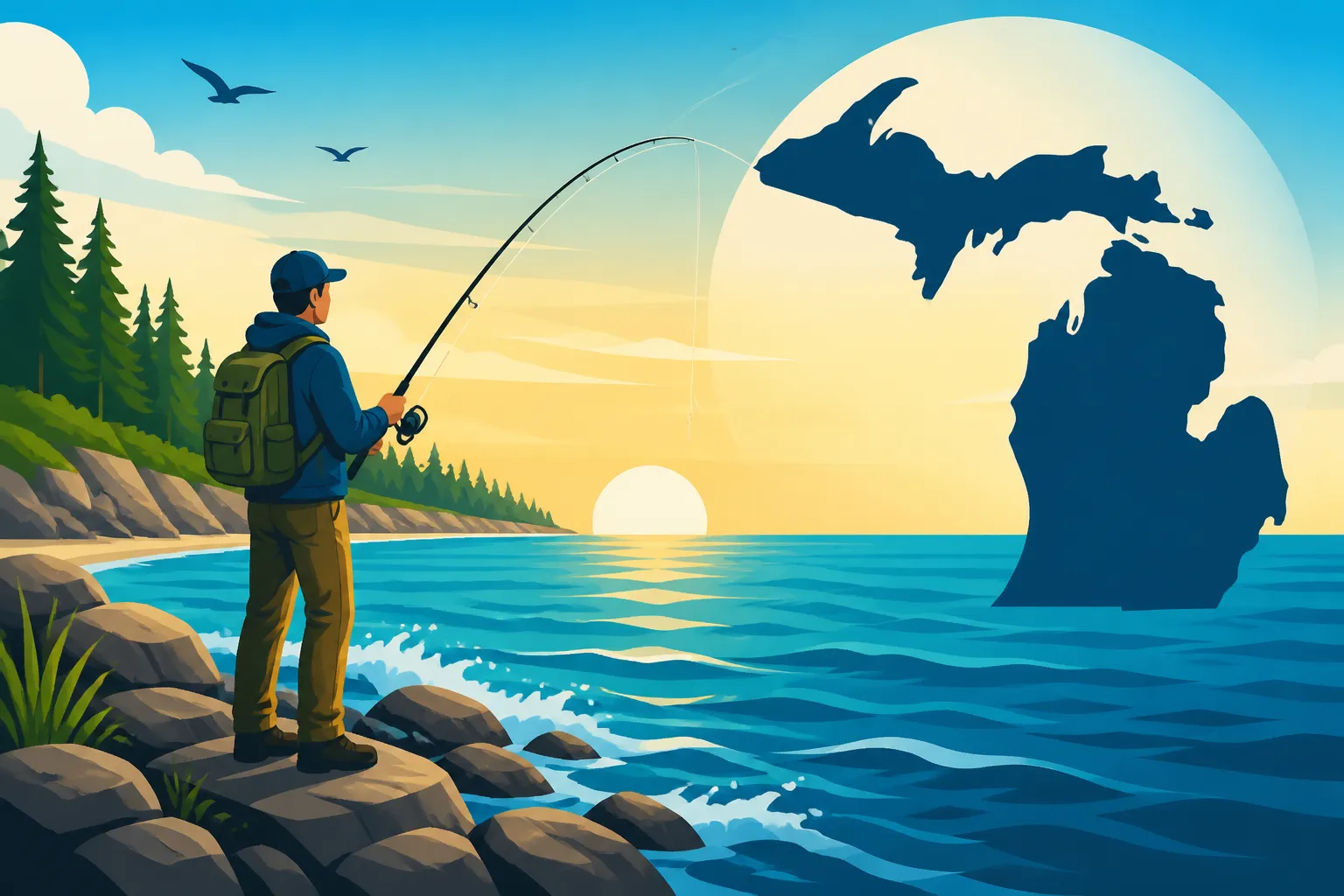
Trying to enjoy the thrill of Michigan fishing on the vast, beautiful expanse of Lake Michigan can feel daunting if you don't own a boat. Many anglers assume the best catches are reserved for those with expensive charters or personal watercraft, leading to frustration and missed opportunities right from the shore. This comprehensive guide is here to dispel that myth, showing you exactly where and how to successfully fish from the countless piers, harbors, and river mouths that dot Lake Michigan's stunning coastline.
The Allure of Lake Michigan Shore Fishing
There's something uniquely satisfying about feeling the tug of a strong fish from the shore of Lake Michigan. It’s an accessible, often more relaxed way to enjoy the sport, free from the complexities of boat maintenance, launching, and navigating open water. You get to connect directly with the environment, often surrounded by stunning scenery, without sacrificing the potential for truly memorable catches.
What Makes Shore Fishing So Rewarding
For many, shore fishing offers a perfect blend of simplicity and challenge. You can often walk or bike to your chosen spot, set up quickly, and spend more time actually fishing. It's a fantastic option for families, beginners, or anyone who just wants to escape the hustle and bustle of daily life without a major logistical undertaking. The calm rhythm of casting and retrieving, watching the waves roll in, and feeling the sun on your face can be incredibly therapeutic. Plus, unlike boat fishing which often requires specific weather windows, many shore spots are fishable in a wider range of conditions, making spontaneous trips much easier. The close proximity to amenities like restrooms, parking, and local eateries is another huge bonus, especially if you're out with kids or planning a longer day on the water.
Key Species You Can Target From the Bank
Lake Michigan is a truly diverse fishery, and its shores offer access to an impressive array of species throughout the year. You might be surprised at what you can land without ever stepping foot in a boat!
| Species | Best Season | Typical Habitat | Preferred Baits/Lures |
|---|---|---|---|
| Chinook Salmon | Late Summer-Fall | Pierheads, river mouths, deep channels | Spoons, crankbaits, spawn bags |
| Coho Salmon | Spring, Fall | Nearshore, river mouths | Spoons, small crankbaits, jigs |
| Steelhead | Spring, Fall, Winter | River mouths, pier structures, warm water discharges | Spawn bags, beads, jigs, spoons |
| Brown Trout | Spring, Fall | Piers, harbors, rocky shorelines | Spoons, stickbaits, minnows |
| Lake Trout | Spring, Fall | Deep water near piers, structure | Spoons, heavy jigs |
| Yellow Perch | Spring, Summer, Fall | Harbors, shallow bays, weed lines | Minnows, worms, small jigs |
| Smallmouth Bass | Summer | Rocky areas, breakwalls, drop-offs | Tubes, grubs, crankbaits |
| Walleye | Spring, Fall | River mouths, harbors, murky water | Jigs, crankbaits, nightcrawlers |
Anglers commonly target Pacific salmon (Chinook and Coho) during their spectacular migratory runs in late summer and fall, when these powerful fish congregate near river mouths and harbor entrances before heading upstream to spawn. Steelhead, which are migratory rainbow trout, offer thrilling fights in the spring and fall, and even into winter, as they move in and out of river systems. You can also find them lurking around pier structures, especially where there's warmer water discharge. Brown trout, known for their elusive nature and strong fights, are often caught from piers and harbors, particularly in cooler months.
Throughout the warmer months, the shallow areas, harbors, and nearshore structure become hotspots for yellow perch and smallmouth bass. Perch are a favorite for their delicious table fare and are often found in large schools, making for fast action. Smallmouth bass provide an incredible challenge with their aggressive strikes and acrobatic fights, often holding tight to rocky areas and breakwalls. And let's not forget the mighty walleye, especially around river mouths in spring and fall, offering a chance at a true trophy. Knowing which species are active and where to find them is the first step to successful shore fishing.
Southern Lake Michigan's Productive Piers and Harbors
The southern stretch of Michigan's Lake Michigan coastline is dotted with bustling towns and impressive harbor infrastructure, making it a dream for shore anglers. These areas often feature long piers that extend into deeper water, providing access to migratory fish, as well as sheltered channels and marinas that hold a variety of resident species.
St. Joseph and Benton Harbor's Steelhead and Salmon Draws
The twin cities of St. Joseph and Benton Harbor sit at the mouth of the St. Joseph River, a renowned fishery for its salmon and steelhead runs. The long, concrete piers that flank the river mouth are prime locations for shore anglers. On a crisp fall morning, you'll see a line of anglers casting spoons, crankbaits, or drifting spawn bags, hoping to intercept a powerful Chinook or Coho salmon making its way upstream. These fish hold close to the piers, especially where the river current meets the lake, creating a feeding zone.
Beyond the salmon, steelhead are a major draw here, especially in the spring and fall. These silver bullets offer an incredible fight, and anglers often use float fishing techniques with spawn or beads right off the pier or along the river channel walls. During the summer, these same piers and the calmer waters of the harbor can yield excellent catches of yellow perch and smallmouth bass. Don't be surprised to hook into a bonus brown trout patrolling the cooler waters near the pier structure. The access is fantastic, with plenty of parking and amenities nearby, making it a top choice for a day trip.
South Haven's Family-Friendly Pier and Channel Access
A little further north, South Haven offers another fantastic shore fishing experience, known for its iconic red lighthouse and long pier extending into Lake Michigan. This pier is very popular with families and provides excellent opportunities for a variety of species. In spring, coho salmon are often caught right off the pier, along with brown trout and the occasional steelhead. As summer progresses, the pier and the calm waters inside the harbor become excellent for yellow perch, rock bass, and even some smaller lake trout in the deeper sections.
The Black River, which flows into Lake Michigan here, also provides significant shore fishing opportunities, particularly during the salmon and steelhead runs. Anglers can fish from various spots along the riverbanks within the town or near the river mouth. The town itself is very angler-friendly, with bait shops, tackle stores, and charter services that can offer local advice (though you're sticking to shore, their knowledge of fish movements is invaluable!). It’s a classic Michigan lakeside town that combines great fishing with a charming atmosphere.
Muskegon Lake Channel and Piers for Diverse Catches
Muskegon offers a truly unique shore fishing experience due to its massive inland lake, Muskegon Lake, which connects to Lake Michigan via a wide, deep channel. This channel, and the long pier that extends from its mouth into Lake Michigan, are phenomenal for shore anglers. The constant flow of water through the channel acts as a natural funnel for migrating salmon and steelhead. During the fall, the channel can be absolutely packed with anglers targeting Chinook and Coho salmon.
The piers provide access to deeper water, excellent for casting spoons or large stickbaits for salmon and trout. Inside the channel itself, along the seawalls, you can catch steelhead, brown trout, and even some fantastic walleye, especially during low light hours. Muskegon Lake itself, accessible from numerous parks and shorelines, offers stellar opportunities for panfish, bass, and northern pike from shore. It’s a true multi-species destination where you can switch up your targets based on the season and your preference. Whether you're focused on the big lake action or the calmer inland waters, Muskegon delivers.
Central and Northern Lake Michigan's Shoreline Gems
Moving up the coast, the landscape changes, but the excellent shore fishing opportunities continue. From the bustling harbors of central Michigan to the pristine bays of the north, there are countless spots where you can wet a line and connect with the diverse fish populations of Lake Michigan.
Grand Haven's Iconic Pier and River Mouth Action
Grand Haven boasts one of Michigan's most recognizable piers, stretching far into Lake Michigan and offering unparalleled shore access to the big lake's bounty. The red catwalk leading to the lighthouse is a famous landmark, but for anglers, it's the prime real estate for intercepting migratory fish. Come fall, the pier is a hotspot for Chinook and Coho salmon, with anglers casting heavy spoons, large crankbaits, or drifting spawn bags into the powerful current. The pier also yields impressive catches of steelhead and brown trout, especially during spring and fall runs. You can find detailed information on how to fish for steelhead in Michigan by exploring specific techniques like float fishing or using beads, which are very effective here.
The Grand River, which flows into Lake Michigan at Grand Haven, also provides excellent shore fishing within the harbor and along its banks. The lower river sections are particularly good for steelhead and salmon, but also hold a significant population of walleye, particularly in the spring. Shore access points are plentiful, offering a variety of environments from the exposed pier to more sheltered riverbanks. For those looking for a different experience, the area around the beach and state park can also be productive for yellow perch and smallmouth bass during the warmer months, especially around any natural structure or drop-offs.
Ludington's Lighthouse Pier and Manistee's Rivermouth Prowess
Further north, Ludington is another powerhouse for Great Lakes fishing, with its iconic lighthouse pier extending into Lake Michigan. This pier is a proven producer for salmon and steelhead, particularly when these fish are staging near the river mouth before their upstream migration. Anglers here often employ heavy gear to cast spoons or stickbaits long distances, or they'll set up with bait on the bottom for more static fishing. The Ludington State Park also offers some fantastic shore fishing opportunities away from the main pier, with access to rocky shorelines that can hold smallmouth bass and brown trout.
Just a bit north, Manistee's rivermouth is equally famous, particularly for its fantastic salmon and steelhead runs on the Manistee River. Shore access here is excellent, both from the piers that guard the river's entrance and from various spots along the lower river itself, including public parks and walkways. The Manistee River is known for its incredible natural spawning runs, making it a magnet for anglers. Whether you're casting from the concrete walls of the harbor or finding a quiet spot along the riverbank, the chances of hooking into a trophy salmon or steelhead are very real. These areas are truly gems for Michigan's Great Lakes fishing guide.
Traverse City and the Grand Traverse Bay Shoreline
While many associate Lake Michigan shore fishing with piers, the Grand Traverse Bay area near Traverse City offers a different, yet equally rewarding experience. Grand Traverse Bay, split into the East and West Arms, is known for its incredibly clear, deep waters and stunning scenery. While it's famous for boat fishing, there are fantastic shore fishing opportunities as well.
Public beaches, parks, and even road shoulders along M-22 and US-31 provide access to the bay's prolific waters. Here, shore anglers can target smallmouth bass, especially around rocky points, drop-offs, and docks. Early mornings and late evenings are often the best times. You can also find yellow perch in shallower bays, and surprisingly, lake trout can sometimes be caught from shore in areas where the deep water comes close to the bank, particularly in the spring or fall when they move shallower. The bay also sees runs of salmon and steelhead, though typically not with the same intensity right off shore as the major river mouths further south. However, casting spoons or stickbaits from public access points can still yield surprising results, especially in the fall.
Essential Gear and Techniques for Shoreline Success
Successful shore fishing on Lake Michigan isn't just about finding the right spot; it's also about having the right tools and knowing how to use them effectively. Since you're often casting into a large, open water body or a current-swept river mouth, your gear choices are crucial.
Rods, Reels, and Line for Long Casts and Big Fish
When you're shore fishing on Lake Michigan, especially from a pier, you're often trying to reach fish that are further out, or you're dealing with strong currents. This means your rod needs to have some backbone and length. A medium-heavy to heavy action spinning rod, typically 9 to 12 feet long, is a good starting point. This length allows for longer casts and helps manage line when fighting fish from an elevated position like a pier. Brands like Ugly Stik, Fenwick, and St. Croix offer durable rods that can handle the abuse of pier fishing.
Pair that with a sturdy spinning reel in the 4000 to 6000 size range, capable of holding a good amount of line. Look for reels with a smooth drag system, as fighting a powerful salmon or steelhead can put a lot of stress on your equipment. For line, 15 to 20-pound test monofilament or fluorocarbon is a common choice, offering a good balance of strength and castability. Many experienced anglers prefer braided line (20-30 pound test) for its sensitivity and incredible strength, often adding a fluorocarbon leader (10-15 pound test) for stealth. This setup gives you the power to cast far and the confidence to battle larger fish.
Lures, Baits, and Tackle That Get Results
The specific lures and baits you use will largely depend on the species you're targeting and the time of year. For salmon and steelhead, spoons are king. Think casting spoons in colors like silver, blue and silver, or chartreuse. Popular spoon brands include Little Cleo, Krocodile, and Daredevil. Sizes typically range from 2/5 oz to 1 oz. Stickbaits (like Rapala or Storm ThunderStick) are also incredibly effective, especially in metallic or natural baitfish patterns. For river mouth fishing, where fish are staging, drifting spawn bags (either real or artificial like Atlas Mike's Glo-Bugs or Berkley PowerBait Trout Nuggets) or small beads under a float can be deadly. Jigs tipped with soft plastics or minnows are excellent for perch and smallmouth bass.
Don't forget the essentials:
- Leader material: Fluorocarbon in 8-15lb test for stealth.
- Swivels and snaps: To prevent line twist and allow for quick lure changes.
- Split shot or egg sinkers: For bottom fishing or float setups.
- A landing net: Crucial for safely landing larger fish, especially from a high pier. A long-handled net is a must.
- Pliers/forceps: For hook removal.
- Bucket: To hold your catch or gear.
Having a diverse tackle box will allow you to adapt to changing conditions and fish preferences. If you're planning a trip and want to get a sense of what's working locally, sometimes checking fishing reports or even looking into local guide services on platforms like FishingBooker can give you valuable real-time insights into effective tackle.
Reading the Water and Maximizing Your Chances
Successfully fishing from shore on Lake Michigan involves more than just casting; it's about understanding the water. Pay attention to current breaks, where slower water meets faster currents, as these are natural ambush points for predatory fish. Look for structure like submerged rocks, old pilings, or weed lines, which provide cover and attract baitfish. The depth changes around piers and channels are also key; fish often hold near these drop-offs.
Observe other anglers. What are they catching? What techniques are they using? Don't be afraid to ask polite questions; most anglers are happy to share tips, especially if you're respectful. The time of day is also crucial. Early morning and late evening often provide the best bite for many species, especially salmon, trout, and walleye, as fish move into shallower water to feed under lower light conditions. Even overcast days can extend this bite. Remember to experiment with retrieve speeds, lure colors, and depths until you find what the fish are biting on. Adaptability is your best friend when shore fishing.
Navigating Regulations and Best Practices
Fishing in Michigan is a fantastic pastime, but it comes with responsibilities. Understanding the rules, having the proper licenses, and practicing good etiquette are essential for a sustainable and enjoyable experience for everyone.
Understanding Michigan's Shore Fishing Rules and Licenses
First and foremost, if you're 17 years of age or older, you need a valid Michigan fishing license to fish from the shore of Lake Michigan or any other public waters in the state. There are options for both residents and nonresidents, including annual licenses and shorter-term options like the Michigan 24-Hour Fishing License Explained, which is perfect for a weekend trip. You can easily purchase your license online through the Michigan DNR website, at a local license retailer, or even on the Michigan's DNR Hunt Fish App for Licenses and Reporting. Always carry proof of your license, either physical or digital, as conservation officers do check.
Beyond the license, it's crucial to be aware of Michigan fishing regulations every angler should know. These include daily possession limits by species, minimum size limits, and specific season dates for certain fish, particularly trout and salmon on Great Lakes tributaries. For instance, there might be specific regulations regarding the use of certain baits or lures in particular areas or during certain times of the year, especially for trout. Always consult the current Michigan Fishing Regulations Digest PDF, which is updated annually, to ensure you're in compliance. Ignoring regulations can result in fines and loss of fishing privileges, which nobody wants.
Respecting the Environment and Fellow Anglers
One of the greatest joys of shore fishing is the shared experience, but it also means respecting those around you. When fishing from a pier, be mindful of casting space. Avoid casting directly over another angler's line, and give everyone enough room to fish comfortably. If a pier or shoreline spot is crowded, be patient and wait your turn, or seek out a less populated area. Politeness goes a long way.
Beyond interactions with other anglers, environmental stewardship is paramount. Always pack out everything you pack in, including discarded fishing line, bait containers, and any other trash. Monofilament fishing line is particularly harmful to wildlife, so make sure to dispose of it properly in designated receptacles or take it home. If you're practicing catch and release, handle fish gently with wet hands, minimize their time out of the water, and ensure they are revived before releasing them. Knowing proper catch-and-release techniques for Michigan Muskellunge, for example, can be extended to other species to ensure their survival. Maintaining clean and healthy fishing spots ensures that these beautiful locations will be there for future generations of anglers to enjoy.
Disclaimer
Please remember that fishing conditions and regulations can change frequently. Always consult the latest Michigan Department of Natural Resources (DNR) fishing guide or website for the most current rules and advisories before heading out on your trip. This article provides general information and recommendations, but it is the angler's responsibility to adhere to all applicable laws and regulations.