Can Two Anglers Share One Michigan Fishing License?
It's a common question that pops up when you're planning a fishing trip with friends or family: "Can we just buy one license for the boat and share it?" Or, "My buddy has a license; can I just use his if he's not actively fishing?" It's a natural thought, especially if you're trying to save a few bucks or simplify things. But when it comes to Michigan's fishing regulations, the answer is a firm and unambiguous no. Every eligible angler needs their own valid Michigan fishing license, and understanding why this rule exists is crucial for a hassle-free and legal outing on our beautiful waters.
The Personal Nature of Your Michigan Fishing License
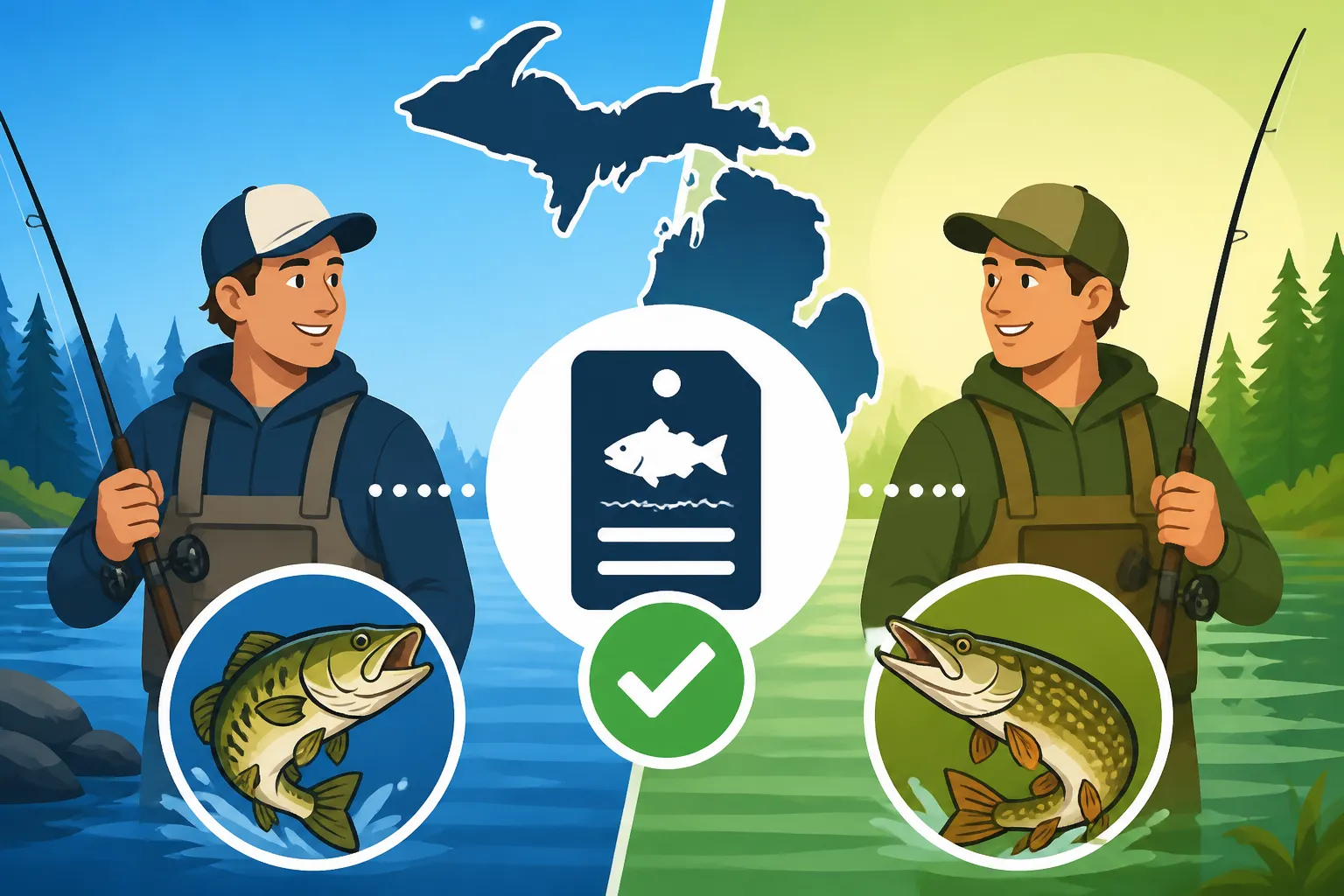
Think of a fishing license not just as a piece of paper, but as your personal agreement to uphold the state's conservation efforts. It's tied directly to you, the individual angler, and serves as your official permission to partake in Michigan's incredible fishing opportunities. You simply cannot transfer it or share it with another person, even if you're fishing together in the same boat or from the same pier.
Why Licenses Are Individual
Every Michigan fishing license is unique to the person who purchased it. It contains your personal information, like your name, address, and date of birth, and is linked to your specific customer ID within the Michigan Department of Natural Resources (DNR) system. This isn't just bureaucratic red tape; it's fundamental to how fisheries management works. When you purchase a license, you're not just buying a pass; you're contributing directly to the funds that support fish stocking, habitat restoration, scientific research, and enforcement. This individual contribution ensures that future generations can enjoy the same or even better fishing experiences.
Imagine if licenses could be shared. It would be impossible for the DNR to accurately track angler participation, assess harvest data, or predict funding needs for conservation programs. A single license used by multiple people would drastically underrepresent the actual fishing pressure on our lakes and rivers, leading to unsustainable management decisions. This individual identification is also critical for enforcing regulations like bag and size limits, as violations can be traced back to the specific angler responsible.
The Legal Requirement for Each Angler
The law is crystal clear: each person who is fishing in Michigan, regardless of whether they are a resident or nonresident, and who meets the age requirements, must possess their own valid Michigan fishing license. This applies whether you're casting from shore, wading in a stream, ice fishing, or trolling from a boat. There are no exceptions for sharing between spouses, family members, or friends. If you're holding a rod and reel or actively engaged in taking fish, you need your own license.
This rule emphasizes individual responsibility. When a conservation officer checks your license, they are verifying that you, as an individual, have the legal right to fish at that moment. It's similar to needing your own driver's license to operate a car; you can't just borrow someone else's, even if they're in the passenger seat. The Michigan DNR fishing regulations explicitly outline this, and it's a standard practice across virtually all state wildlife agencies. For a deeper dive into who needs to get one, check out our guide on Do You Need a License to Fish in Michigan?.
Understanding Who Needs a License and What Kind
Navigating the various types of Michigan fishing licenses can sometimes feel a bit overwhelming, but it's important to understand them so every angler in your group is properly covered. The requirements mainly hinge on two factors: age and residency.
Age and Residency Factors
In Michigan, all residents and nonresidents age 17 and older are required to purchase a fishing license. This is a statewide rule that applies to all waters, from the smallest inland pond to the vast expanse of the Great Lakes. For those under 17, it's a bit different: children under the age of 17 can actually fish for free, without needing a license. This is a fantastic initiative to encourage youth participation in fishing and get them hooked on the outdoors early!
However, if you're a non-resident, the rules for your Michigan fishing license are the same as for residents aged 17 and over – you still need one. The primary difference often comes down to cost, where nonresident licenses are typically higher priced. This difference helps balance the recreational use by visitors with the ongoing funding needs primarily supported by Michigan residents. Our detailed article, Michigan Fishing License Guide for Residents and Nonresidents, provides a comprehensive overview of these distinctions.
Different License Options for Different Needs
Michigan offers several types of fishing licenses to accommodate various angler needs and durations of trips. It's not a one-size-fits-all situation, which can be great for planning!
- Annual License: This is the most common and often most cost-effective option for residents and nonresidents who plan to fish regularly throughout the year. A Michigan fishing license year runs from March 1 to March 31 of the following year, so an annual license purchased in April will be valid until the following March 31st. This is a great value if you're hitting the waters frequently.
- 24-Hour License: Perfect for a quick fishing getaway or for someone who might only fish once or twice a year. This license is valid for 24 consecutive hours from the time of purchase. It's an excellent choice for out-of-state visitors coming for a short trip or for locals wanting a spontaneous fishing outing. You can even buy this type of license for a friend or family member if you know exactly when they'll be fishing, making it easy to ensure everyone has their own.
- Senior Fishing License: Michigan offers a discounted annual license for resident anglers aged 65 and older. This is a wonderful benefit for our experienced anglers who have contributed to Michigan's fishing heritage for years.
- Youth Fishing License: As mentioned, those under 17 do not require a license. However, for those between 12-16, a voluntary youth license is available. While not mandatory, purchasing one helps support conservation efforts. You can learn more about this in our guide on Michigan Youth Fishing License Rules.
It's vital to choose the correct license type for each individual angler. You can find all the details on costs and types in our article: Michigan Fishing License Costs and Types Explained. To make sure you're getting the best value and staying compliant, take a moment to review the available options before your next trip.
Here's a quick reference table for who needs a license:
| Angler Category | Age Requirement | License Needed? | Specifics |
|---|---|---|---|
| Michigan Resident Angler | 17 and older | Yes | Must purchase an annual or 24-hour Michigan fishing license. Discounted senior licenses available for those 65+. |
| Nonresident Angler | 17 and older | Yes | Must purchase an annual or 24-hour Michigan fishing license. Costs are typically higher than resident rates. |
| Youth Angler (Resident or Nonresident) | Under 17 | No | Does not need a license to fish. Voluntary youth licenses may be purchased (ages 12-16) to support conservation, but it's not required for them to legally fish. More info on Do Kids Need a Fishing License in Michigan?. |
| Angler during Free Fishing Weekend | All ages | No | All individuals (residents and nonresidents) can fish without a license during specific designated weekends each year. Does not include state park entry fee. See Michigan Free Fishing Weekends Explained for dates. |
The Risks and Consequences of Non-Compliance
It can be tempting to bend the rules, especially if you're just out for a quick, casual trip. Maybe you think, "What are the chances I'll get caught?" But fishing without a valid, individual Michigan fishing license is a serious offense, and the consequences can quickly turn a fun day on the water into a costly headache. Trust me, it's not worth the risk.
Penalties for Fishing Without a Valid License
Getting caught fishing without your own valid license in Michigan can lead to a range of penalties, none of which are pleasant. The most immediate consequence is typically a significant fine. These fines can vary depending on the specific circumstances and location, but they are often far greater than the cost of an annual license. For instance, you could be looking at hundreds of dollars in fines, plus court costs. This can quickly add up and feel like a punch to the gut after a relaxing day that wasn't supposed to cost you much.
Beyond monetary penalties, conservation officers have the authority to confiscate your fishing gear, including your rods, reels, and even your boat in some severe cases. Imagine having your prized fishing rod taken away, all because you tried to save a few bucks on a license. Furthermore, a fishing violation can become part of your record, potentially leading to future restrictions or even the suspension of your fishing privileges for a period of time. Our guide on Michigan Fishing Violation Penalties and Fines delves deeper into these consequences, and believe me, it’s not a list you want to find yourself on.
Impact on Michigan's Conservation Efforts
While the personal fines and gear confiscation are immediate and impactful, the broader consequences of widespread non-compliance affect every angler in Michigan. The funds generated from fishing license sales are the lifeblood of Michigan's fisheries management and conservation programs.
Every dollar spent on a Michigan fishing license goes directly back into protecting and enhancing our state's aquatic resources. This includes:
- Fish Stocking: Funding the rearing and release of millions of fish, like walleye, salmon, and trout, into our lakes and rivers, ensuring healthy populations for anglers to pursue.
- Habitat Restoration: Protecting and improving critical spawning grounds and aquatic environments.
- Research and Monitoring: Scientists continuously study fish populations, water quality, and environmental factors to make informed decisions about sustainable fishing practices.
- Enforcement: Supporting the conservation officers who patrol our waters, ensuring fair play and protecting resources from poaching and illegal activities.
When anglers try to skirt the rules by sharing licenses or fishing without one, it directly reduces the funding available for these essential programs. This means fewer fish stocked, less habitat protected, and fewer resources to combat invasive species or pollution. It ultimately impacts the quality of fishing for everyone, including those who dutifully purchase their licenses. So, while it might seem like a small act, adhering to the individual license rule is a significant contribution to the longevity and health of Michigan's incredible fisheries. You can even find some great fishing gear that helps support conservation efforts on platforms like Amazon, from sustainable tackle boxes to ethically sourced apparel.
Convenient Ways to Ensure Everyone is Covered
We live in an age where convenience is key, and thankfully, getting your Michigan fishing license has never been easier. The DNR has made great strides in providing accessible options, meaning there's truly no excuse for not having your own license. Plus, there are some fantastic programs that allow everyone to enjoy fishing legally, even if they don't have an annual license.
Easily Purchasing Licenses
Gone are the days when you had to drive miles out of your way to a specific bait shop to get your license. Today, you have several straightforward methods at your fingertips:
- Online: The Michigan DNR website is incredibly user-friendly. You can purchase your license from the comfort of your home, 24/7, using a computer or mobile device. Just visit the DNR eLicense portal, fill out your information, select the license type you need, and you're good to go. You can then print a physical copy or save a digital version on your phone. This is by far the most popular and convenient method for many anglers.
- DNR Hunt Fish App: For even more convenience, Michigan offers the official DNR Hunt Fish App. This mobile application allows you to purchase and store your licenses directly on your smartphone. It’s incredibly handy to have your license readily available digitally if a conservation officer asks to see it. It also offers features like harvest reporting and access to regulations. Check out Michigan's DNR Hunt Fish App for Licenses and Reporting for more details.
- In-Person: If you prefer a more traditional approach, you can still purchase a license at numerous retail outlets across the state. Sporting goods stores, bait shops, and even some big-box retailers like those found on Amazon, often have dedicated counters or kiosks. These retailers are equipped to process your license on the spot. This option is great if you have questions or want to pick up some last-minute bait and tackle at the same time. The helpful staff can guide you through the options, whether you're a resident or a nonresident figuring out the Resident vs Nonresident Michigan Fishing License Cost.
Making sure everyone has their own valid license is a breeze with these options. Whether you're planning a trip to a local inland lake or heading out to the Great Lakes for salmon, getting licensed takes just a few minutes, ensuring peace of mind and legal compliance.
Leveraging Free Fishing Weekends
Michigan offers a fantastic opportunity for everyone, residents and nonresidents alike, to experience fishing without needing a license during two designated weekends each year. These "Free Fishing Weekends" are a brilliant way to introduce new anglers to the sport, or for seasoned anglers to share their passion with friends and family who might not have a license.
Typically, one weekend is held in winter (February) for ice fishing enthusiasts, and another in summer (June) for warm-weather fishing. During these weekends, all fishing license fees are waived. This means you can cast your line in any public Michigan water — inland lakes, rivers, or the Great Lakes — completely free of charge. It's the perfect chance to bring along someone who's never fished before, or simply to enjoy a spontaneous outing without the upfront cost of a license.
While the fishing license requirement is waived, all other Michigan fishing regulations still apply during Free Fishing Weekends. This includes species-specific bag and size limits, tackle restrictions, and other conservation rules. You'll still need to follow these guidelines to ensure a sustainable and respectful fishing experience. For exact dates and further details, our article on Michigan Free Fishing Weekends Explained is an excellent resource. It's a truly wonderful program that removes the barrier of entry for many, encouraging more people to connect with Michigan's incredible natural resources.
Disclaimer
Please remember that fishing regulations can change. While this guide aims to provide accurate and up-to-date information, it is always your responsibility as an angler to consult the latest Michigan Fishing Guide or the Michigan DNR website for the most current rules and regulations before you go fishing.