Michigan Trout Season Stays Open Year-Round on the Great Lakes
It's easy to get tangled up in Michigan's fishing regulations, especially when you're trying to figure out if you can chase trout year-round. Many anglers are familiar with the traditional opening and closing dates for trout season on our inland streams and lakes, leading to a common misconception that all trout fishing shuts down. But here's the exciting truth: you can absolutely fish for trout on Michigan's Great Lakes all year long! This comprehensive guide will untangle the rules and show you how to enjoy continuous trout and salmon action.
Understanding Michigan's Trout Season Basics
Let's clear up some of the initial confusion right off the bat. Michigan's fishing regulations can feel like a labyrinth, with different rules applying to different bodies of water. The key distinction often lies between our vast Great Lakes and the countless inland waters.
The Distinction Between Inland and Great Lakes Waters
For many of us who grew up fishing the smaller, intimate creeks and lakes across Michigan, the idea of a specific "trout opener" is ingrained. And it's true! Inland waters, like the renowned Au Sable River or the smaller trout ponds scattered throughout the state, often have very precise seasons for trout. These seasons are carefully managed to protect spawning fish and ensure sustainable populations in these more confined ecosystems. You'll find specific dates when you can start targeting brook, brown, and rainbow trout, and often a date when those seasons close, sometimes even specific gear restrictions like artificial lures only. This structure is vital for conservation in these sensitive environments.
However, the Great Lakes—Lake Superior, Lake Michigan, Lake Huron, and Lake Erie, along with their connecting waters like the St. Marys River, the St. Clair River, and the Detroit River—are a completely different ballgame. Their immense size, depth, and the migratory nature of many of their fish populations allow for a much broader approach to management. This difference is often the source of bewilderment for anglers who are used to the stricter inland rules.
Why the Great Lakes Offer Year-Round Trout Fishing
The primary reason for year-round trout fishing on the Great Lakes boils down to their vastness and the unique life cycles of the species that inhabit them. Unlike a small stream where fish populations can be easily overfished, the Great Lakes offer expansive habitats where trout and salmon can disperse and thrive. Many of these fish, like Lake Trout and Steelhead (which are essentially rainbow trout that migrate to the lakes), spend the majority of their lives in the deep, cold waters of the lakes themselves.
These "lake-run" fish are often referred to as migratory species because they move between the lakes and their tributary rivers, primarily for spawning. While specific rules kick in when these fish enter the rivers, the open waters of the Great Lakes remain accessible throughout the year. This strategy allows anglers to pursue these incredible game fish even when their inland cousins might be off-limits. It's a fantastic opportunity for continuous angling adventure, recognizing that the sheer scale of these freshwater seas can sustain fishing pressure year-round. For detailed information on specific rules that apply to different bodies of water, it's always a good idea to consult the official Michigan Fishing Regulations Every Angler Should Know.
Key Trout and Salmon Species Available Year-Round
When we talk about "trout" on the Great Lakes, we're actually referring to a diverse group of fish, including true trout and several salmon species that behave similarly in this massive freshwater system. All of them offer year-round opportunities in the big lake waters.
Lake Trout and Splake Opportunities
One of the most iconic and consistently available species for year-round fishing on the Great Lakes is the Lake Trout. These powerful, deep-dwelling fish are native to the Great Lakes and thrive in their cold, oxygen-rich depths. They can be targeted throughout all four seasons, making them a reliable option for anglers even in the dead of winter or the heat of summer. While their populations faced challenges in the past, robust stocking and management efforts have brought them back strong. Anglers often pursue Lake Trout by trolling deep with downriggers in the warmer months or by jigging through the ice during winter. These fish are fighters, and hooking into a big one can be an unforgettable experience.
Closely related to Lake Trout are Splake, which are a hybrid cross between a brook trout and a lake trout. Stocked in various Michigan waters, including some of the Great Lakes, Splake offer another fantastic year-round opportunity. They tend to grow faster than brook trout and often inhabit similar deep-water environments as Lake Trout, making them a common bycatch when targeting their larger cousins. Both species contribute significantly to the year-round fishery, providing thrilling action for those willing to brave the elements. Remember to always check the specific regulations, as combined trout and salmon possession limits apply.
Chinook, Coho, Steelhead, and Brown Trout
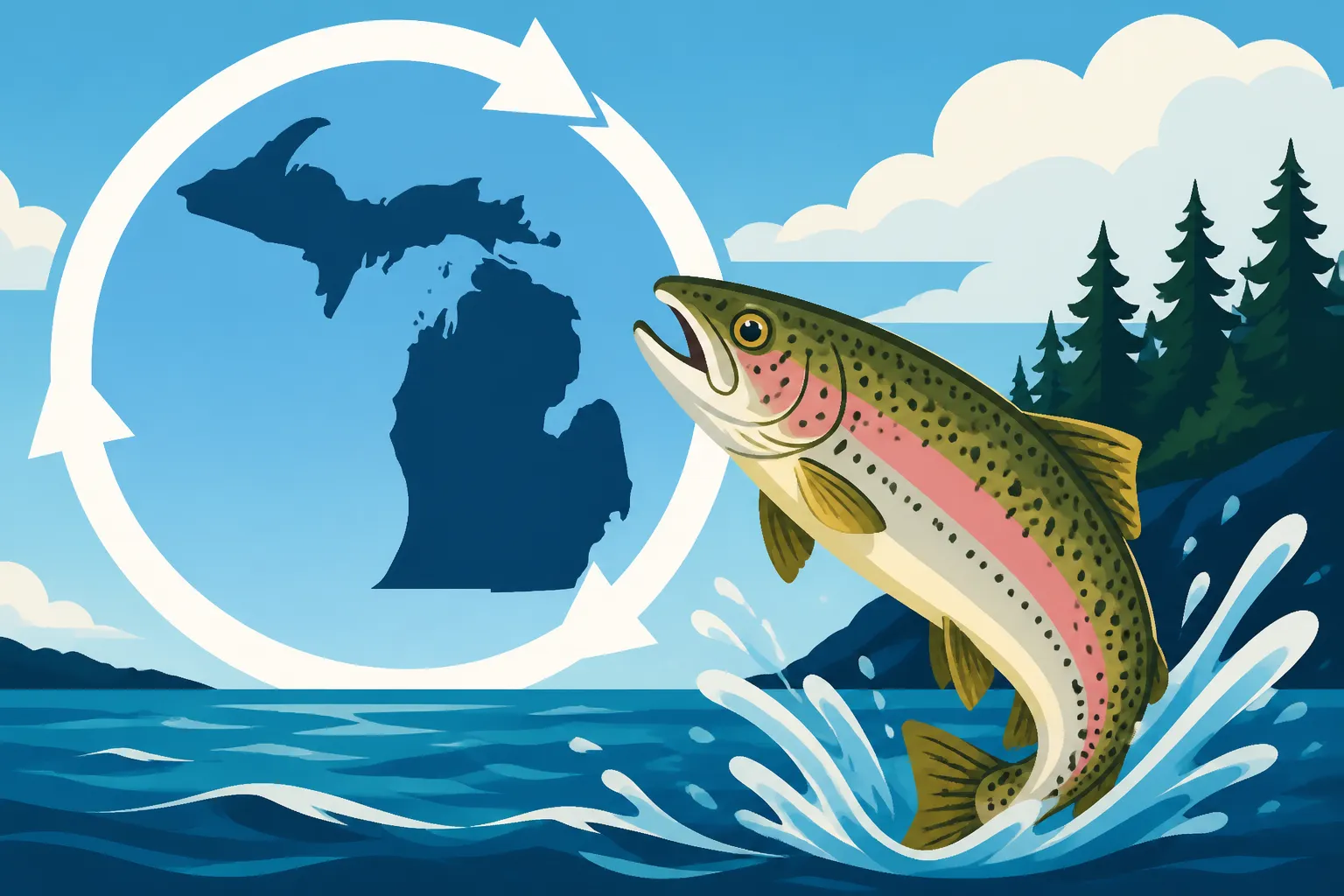
While Lake Trout and Splake are stalwarts of the deep, the Great Lakes also host a vibrant population of Chinook Salmon, Coho Salmon, Steelhead (which are migratory Rainbow Trout), and Brown Trout. These species are famous for their spectacular "runs" into tributary rivers during specific seasons—like the fall salmon runs or the spring steelhead runs. However, it's crucial to remember that these fish reside in the Great Lakes for the vast majority of their lives.
Out in the open waters of the Great Lakes, you can pursue these incredible fish year-round. During the spring, summer, and early fall, anglers often target them by trolling with an array of lures, searching for temperature breaks and baitfish schools. These fish offer incredible battles and are highly sought after for their fighting prowess and culinary value. Whether you're chasing the explosive strike of a Chinook or the acrobatic leaps of a Steelhead, the Great Lakes provide a continuous opportunity to connect with these magnificent species. If you're looking for more details on these particular species, consider diving into our comprehensive guide on Michigan Salmon Species Explained. Keep an eye on our resources for Michigan Steelhead Run Timing if you're interested in their river migrations!
Navigating Regulations for Great Lakes Trout and Salmon
Just because the season is open year-round on the Great Lakes doesn't mean you can throw caution to the wind. Michigan's Department of Natural Resources (DNR) maintains specific rules for these waters, and understanding them is crucial for a legal and enjoyable fishing trip.
Size and Possession Limits Are Still Critical
This is where many anglers can get tripped up. The year-round season on the Great Lakes is a fantastic gift, but it comes with strict parameters regarding what you can keep. You absolutely must adhere to the current size and possession limits for each species. These limits are designed to protect fish populations, especially during key life stages, and ensure that the fishery remains healthy for generations to come. For instance, Lake Superior Brook Trout might have different size restrictions than brook trout found in inland streams. Similarly, there's a specific Michigan's Combined Trout and Salmon Daily Limit that dictates how many fish, across all trout and salmon species, you can keep in a day.
These regulations can change, so before every trip, it's your responsibility to review the most up-to-date information. The Michigan DNR publishes an annual fishing guide, and you can usually find the most current version, often referred to as the Michigan Fishing Regulations Digest PDF for 2026, online or at license retailers. Never assume the rules are the same as last year, or even last month. A quick check can save you a hefty fine and potential loss of your fishing privileges.
Special Rules for Tributaries and Mouths
Here’s another critical point of distinction: while the main body of the Great Lakes themselves is open year-round for trout and salmon, the rules can change dramatically once you enter a tributary river or stream. Think of it like a line in the water; on one side, it's year-round, on the other, it might be closed entirely or have different tackle restrictions, size limits, and possession rules. The DNR often defines specific "mouths of rivers" areas where Great Lakes regulations might extend a short distance upstream into a river, but these are often clearly marked or described in the regulations.
For example, a river mouth might allow year-round fishing, but a few hundred yards upstream, the inland trout season rules, with their specific opening and closing dates and gear restrictions, could apply. This is a common enforcement point, and ignorance of the boundary lines is not a valid excuse. Always carry a copy of the regulations (a digital copy on your phone is fine) or use the Michigan DNR Hunt Fish App for licenses and reporting. Knowing these precise boundary points is paramount, especially when fishing areas where rivers meet the lakes, such as the mouths of the Manistee River or the Au Sable River. Getting familiar with the overall Michigan Fishing License Guide for Residents and Nonresidents and Michigan Fishing Regulations Every Angler Should Know will prevent any unwanted surprises.
Essential Gear and Techniques for Year-Round Great Lakes Angling
Fishing the vastness of the Great Lakes for trout and salmon year-round requires specific approaches and gear. It's a different game than casting a worm into an inland pond or fly fishing a small trout stream. Success often hinges on your ability to cover water and present your lures effectively in large, deep environments.
Trolling for Open Water Success
For most Great Lakes trout and salmon anglers, especially when targeting fish in the wide-open waters, trolling is the name of the game. Trolling allows you to cover vast amounts of water, searching for schools of baitfish and the predators that follow them. This technique involves slowly moving your boat while deploying multiple fishing lines with various lures at different depths. To achieve specific depths, anglers often employ specialized gear like downriggers, which are essentially small cranes that use a heavy weight to carry your lure down to a precise depth, releasing your line when a fish strikes. Planer boards are another essential tool, allowing you to spread your lines out wide from the boat, covering an even broader swath of water and preventing tangles.
Your tackle setup for trolling will typically involve sturdy rods designed to handle the pull of heavy weights and strong fish, paired with reels spooled with heavy monofilament or braided line. Lure choices are extensive, ranging from various sizes and colors of spoons (like the popular Michigan Stinger or Dreamweaver brands) to stickbaits and flies. Experimentation is key, as fish preferences can change daily based on water clarity, light conditions, and baitfish availability. Before you head out, make sure you've stocked up on all your essentials, from heavy-duty reels to your favorite array of spoons – all readily available on Amazon or your local tackle shop. Getting familiar with specific tactics like How to Troll for Salmon on the Great Lakes is a great starting point, and you can find comprehensive information on specialized gear in our Trolling Gear for Michigan's Great Lakes guide.
Pier and Shore Fishing Opportunities
While trolling from a boat offers unparalleled access to the open lake, not everyone has a boat or the desire to head offshore. The good news is that year-round trout and salmon fishing is absolutely possible from many piers and shorelines along the Great Lakes. These accessible spots, often found in harbor towns and along public beaches, can be hotbeds of activity, especially during migratory periods when fish move closer to shore. Iconic spots like those found in the Best Lake Michigan Fishing Piers and Harbors can offer fantastic action for salmon and steelhead, particularly in the spring and fall.
Techniques for pier and shore fishing often involve casting long distances with heavy spoons, body baits, or sometimes even using bait rigs. A medium-heavy to heavy action spinning rod, around 9 to 11 feet in length, paired with a reliable spinning reel, is a common setup. Many anglers will also use slip bobber setups with live bait or spawn bags when fish are holding in specific areas near the pier. Patience is a virtue, as you might need to make many casts to find the fish. However, the convenience and often spectacular action can make pier and shore fishing incredibly rewarding. You can find a huge selection of casting spoons and heavy-duty reels on Amazon, perfect for matching the hatch from shore. For more detailed strategies, check out our guide on Shore Fishing Techniques for Michigan's Great Lakes.
| Great Lakes Trout & Salmon Species | Primary Fishing Method | Best Time to Target (in Lakes) | Typical Water Depth |
|---|---|---|---|
| Lake Trout | Trolling, Jigging | Year-round | Deep (50-200+ ft) |
| Splake | Trolling, Jigging | Year-round | Deep (30-100 ft) |
| Chinook Salmon | Trolling | Spring, Summer, Early Fall | Mid-depth (30-80 ft) |
| Coho Salmon | Trolling | Spring, Summer | Surface to Mid-depth |
| Steelhead (Rainbow Trout) | Trolling, Casting | Spring, Summer, Fall | Mid-depth to Surface |
| Brown Trout | Trolling, Casting | Spring, Summer, Fall | Nearshore, Mid-depth |
Disclaimer
Fishing regulations can change frequently. While this guide provides a comprehensive overview, it is essential for all anglers to consult the most current Michigan Department of Natural Resources (DNR) fishing guide or website before heading out. Always be aware of local rules, size limits, possession limits, and any special regulations that may apply to specific bodies of water.