Do You Need a License to Fish in Michigan?
The serene waters of Michigan, from the mighty Great Lakes to countless tranquil inland ponds, call to anglers year-round. But before you cast your line, there's often one nagging question that pops into every budding (and sometimes even seasoned) angler's mind: "Do I actually need a fishing license to enjoy this?" It's a valid concern, and nobody wants to inadvertently break the law or face an unexpected fine when all you wanted was a peaceful day on the water. This comprehensive guide is here to untangle the requirements, exemptions, and crucial details about Michigan's fishing license regulations, ensuring your next adventure is completely legal and stress-free.
The General Rule: Why a Michigan Fishing License is Crucial and Required
Let's cut right to the chase: for the vast majority of people planning to fish in Michigan, a fishing license is not just a good idea, it's an absolute legal requirement. This isn't just about collecting fees; it's a fundamental part of how Michigan manages its incredible natural resources, funds conservation efforts, and ensures healthy fish populations for generations to come. Skipping this step can lead to significant headaches and financial penalties that far outweigh the cost of the license itself.
Understanding Michigan's Fishing License Mandate
Michigan's fishing license system is designed to be straightforward for most anglers, yet it has enough nuances to cause confusion if you're not familiar with the details. Essentially, if you are 17 years of age or older and intend to take fish, shellfish, or amphibians from Michigan waters, you need a valid fishing license. This applies whether you're using a rod and reel, a spear, a dip net, or any other legal method. It doesn't matter if you're fishing from shore, a pier, a boat, or through the ice; the license requirement remains constant.
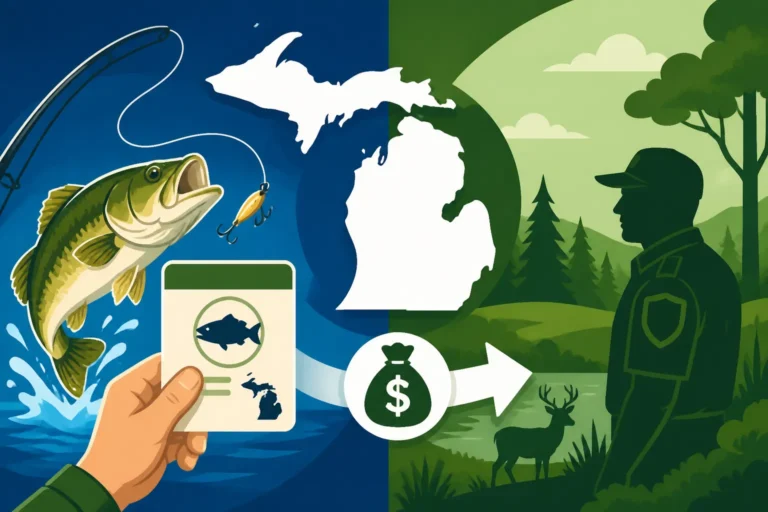
The standard license for most residents and nonresidents is an "all-species" license, which covers both inland waters and the Great Lakes. This eliminates the need for multiple licenses for different types of fishing, simplifying the process for anglers who enjoy varied experiences across the state. The funds generated from these licenses are directly reinvested into fisheries management, habitat restoration, fish stocking programs, and public access projects, which ultimately benefits every angler. To understand the different options available, you might find our guide on the Michigan Fishing License Costs and Types Explained incredibly helpful.
Consequences of Fishing Without a License
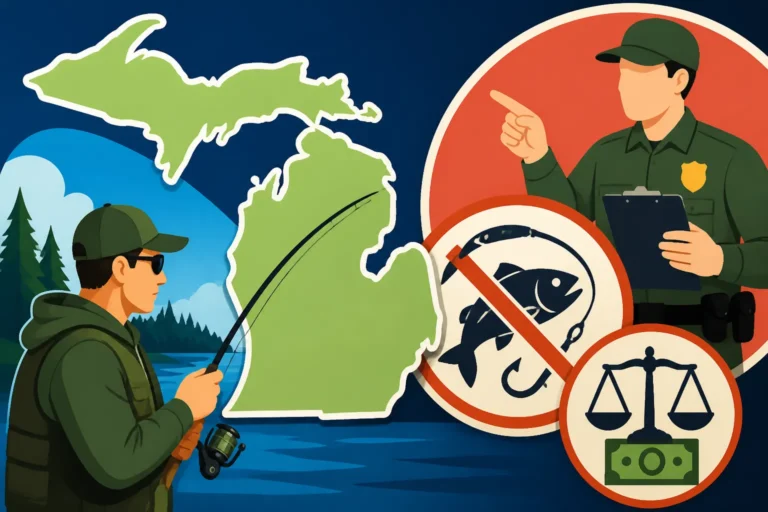
It might seem like a minor oversight, but fishing without a proper Michigan license can lead to some pretty significant repercussions. Nobody wants their relaxing day on the water to end with a hefty fine or, in more severe cases, confiscation of their gear. Michigan Department of Natural Resources (DNR) conservation officers patrol all types of fishing spots, from popular Great Lakes piers to secluded inland streams, and they are trained to enforce these regulations.
Typically, a first offense for fishing without a license can result in fines upwards of $200-$300, plus court costs. Repeated offenses can lead to even higher fines, potential jail time, and the loss of fishing privileges for an extended period. Imagine planning a dream trip to fish for salmon on the Manistee River or walleye on Saginaw Bay, only to have it ruined by a preventable legal issue. It's simply not worth the risk. Always make sure your license is valid and readily available, whether it's a physical copy or accessible digitally via your smartphone.
Who is Exempt from Needing a Michigan Fishing License?
While the general rule is that you need a license, Michigan does offer some specific exemptions. These are important to know, especially if you're introducing young people to the sport or planning a trip during designated free fishing periods. Understanding these exceptions ensures compliance without unnecessary purchases.
Age-Based Exemptions for Young Anglers
Michigan is committed to fostering a love of fishing in its youth, and this is reflected in its age-based licensing exemptions. Children under the age of 17 are not required to purchase a fishing license to fish in Michigan waters. This is fantastic news for families! It means you can bring your kids, nieces, nephews, or grandkids along for a day of fishing without worrying about an extra expense.
This exemption makes it easy for adults to introduce children to the joys of casting a line, reeling in their first panfish, or experiencing the thrill of a bigger catch. While the kids don't need a license, it's crucial for any accompanying adults (17 and older) to have their own valid license if they are also fishing. To dive deeper into these rules, check out our article on Michigan Youth Fishing License Rules. It's a wonderful opportunity for multi-generational outdoor fun, and it removes one barrier of entry for new, young anglers.
Special Circumstances and Other Exemptions
Beyond age, there are a few other specific scenarios where a fishing license might not be required in Michigan:
- Michigan's Free Fishing Weekends: The state generously offers two "Free Fishing Weekends" each year – one in winter and one in summer. During these specific weekends, all Michigan residents and non-residents can fish without a license. This is an incredible opportunity to try out fishing for the first time or introduce friends and family to the sport without the initial cost of a license. It's also a great chance to enjoy Michigan's diverse fisheries, from ice fishing for perch in February to casting for bass in June. Dates vary annually, so it's wise to consult the DNR's official calendar. You can learn more about these special opportunities in our dedicated guide: Michigan Free Fishing Weekends Explained.
- Legally Blind Residents: Michigan provides a specific discount for legally blind residents, allowing them to obtain a fishing license at a reduced cost, often for free. This is a thoughtful provision that acknowledges unique circumstances. For detailed information on this, our article Michigan Fishing License Discount for Legally Blind Residents offers a complete breakdown.
- Private Waters: Generally, you do not need a Michigan fishing license to fish in a pond or lake that is entirely enclosed on private land, with no connection to other public waters. This means if you own a private pond or are fishing on a friend's completely landlocked body of water, you might be exempt. However, the definition of "entirely enclosed" is critical. If there's any stream, ditch, or underground connection to public waters, a license is still required. When in doubt, it's always safer to have one. Our piece, Do You Need a License to Fish on Private Water in Michigan?, offers more clarity on this often-misunderstood exemption.
It's important to remember that even with these exemptions, all other Michigan fishing regulations regarding bag limits, size limits, and gear restrictions still apply. Always consult the most current Michigan Fishing Regulations Digest to ensure full compliance, regardless of whether you need a license.
What a Michigan Fishing License Covers and Doesn't Cover
Once you understand if you need a license, the next step is knowing what that license actually entitles you to do. Many anglers wonder if a single license covers everything, or if there are separate requirements for different types of water bodies or specific species.
Inland Waters vs. Great Lakes Fishing
One of the best things about Michigan's fishing license structure is its simplicity regarding water bodies. A single "all-species" license generally covers both Michigan's vast inland lakes and rivers, as well as the world-class fishing opportunities on the Great Lakes (Lakes Michigan, Huron, Superior, and Erie, plus their connecting waters). This means you don't need to purchase a separate "Great Lakes endorsement" or a different license type just because you're moving from a small inland lake to trolling for salmon on Lake Michigan.
This comprehensive coverage is a huge convenience for anglers who enjoy the incredible diversity of fishing experiences Michigan offers. However, while the license covers the waters, the specific regulations for those waters can vary dramatically. For example, bag limits for certain species might be different on Lake St. Clair than on an inland lake, and trout regulations often have specific rules for designated trout streams versus the Great Lakes. A detailed look at what's covered can be found in our article, Does a Michigan Fishing License Cover the Great Lakes?. Always carry your current Michigan Fishing Regulations Digest or have the DNR Hunt Fish App handy to check local rules.
It's also worth noting that if you plan to fish in boundary waters shared with neighboring states or Canada (like portions of the Detroit River, St. Clair River, or Lake Erie), you'll need to be aware of reciprocal agreements or potentially require licenses from both jurisdictions. Our guide on Michigan's Boundary Water Fishing Rules Explained can shed more light on these complex scenarios.
Species-Specific Regulations and Endorsements
While your all-species fishing license grants you the general right to fish, it doesn't mean you can catch whatever you want, whenever you want, or as many as you want. Michigan has very specific regulations designed to protect different fish populations, manage spawning seasons, and ensure sustainable harvesting. These rules dictate:
- Bag Limits: The maximum number of a specific fish species you can keep in a single day. For instance, the Michigan Walleye Daily Possession Limit is usually a combined total, but it can vary by water body.
- Size Limits: The minimum (or sometimes maximum, as with protected slot limits) length a fish must be to be legally kept. The Michigan Walleye 15-Inch Minimum Size Limit is a common example.
- Season Dates: When you are legally allowed to target and keep certain species. For example, inland trout season has specific opening and closing dates, while Great Lakes trout and salmon often have year-round seasons.
- Gear Restrictions: What types of bait and tackle are allowed in certain waters. Some designated trout streams, for example, might restrict anglers to only artificial lures.
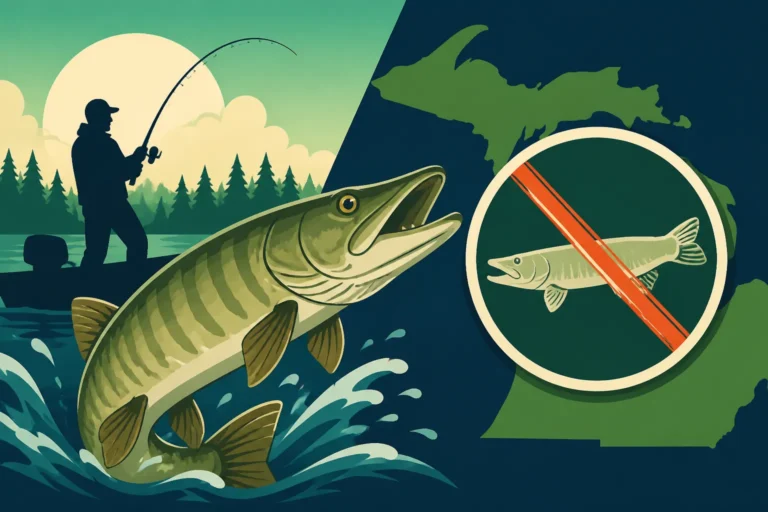
A key point of confusion for some anglers used to other states' systems is the idea of "endorsements." In Michigan, a separate "trout/salmon stamp" or "Muskellunge tag" is not required on top of your all-species license. However, for certain species like Muskellunge, even after catching and releasing, you are still required to register your harvest within 24 hours. Our Michigan Muskellunge Harvest Reporting Rules guide details this important process. These are all part of the overarching Michigan Fishing Regulations Every Angler Should Know, and they are constantly updated. This is why having a copy of the annual Michigan Fishing Regulations Digest PDF for 2026 (or the current year's version) is absolutely essential. You can typically pick one up from any bait shop or view it online via the DNR website.
How to Obtain Your Michigan Fishing License
Getting your Michigan fishing license is a straightforward process, designed for convenience whether you prefer digital or in-person transactions. It's truly never been easier to secure your legal right to fish the beautiful waters of the Great Lakes State.
Online Purchases and Digital Access
The most popular and often easiest way to purchase your Michigan fishing license is online. The Michigan Department of Natural Resources (DNR) offers a user-friendly online portal where you can buy annual, 24-hour, or combination hunting and fishing licenses from the comfort of your home. The process is quick, secure, and once purchased, your license information is immediately available.
Another fantastic option is the Michigan's DNR Hunt Fish App for Licenses and Reporting. This free app, available on both Apple and Android devices, allows you to purchase and store your license digitally on your smartphone. This means you don't have to worry about printing a paper copy or keeping track of a physical card. Simply pull up the app when asked by a conservation officer, and you're good to go. The app also serves as a valuable tool for reviewing regulations, checking harvest reporting requirements, and even submitting certain harvest reports right from the field. For a step-by-step walkthrough, check out our guide on How to Buy a Michigan Fishing License Online.
In-Person Options and Renewal
If you prefer a more traditional approach or need to ask a question directly, there are still plenty of in-person options available. Michigan fishing licenses can be purchased at:
- DNR Customer Service Centers: These centers are staffed with knowledgeable personnel who can assist you with your purchase and answer any specific questions you might have about regulations.
- Authorized License Retailers: This is the most common in-person option. Thousands of bait shops, sporting goods stores, and even some big-box retailers across Michigan are authorized to sell fishing licenses. Just look for the "DNR License Dealer" sign. Many anglers appreciate this method as it's often combined with picking up fresh bait or the latest fishing reports.
- Self-Serve Kiosks: Some locations, particularly larger retailers, might have self-serve kiosks where you can purchase your license quickly.
Regardless of how you purchase your license, it's vital to remember the renewal cycle. Michigan's fishing license year runs from March 1st to the following March 31st. This means that if you buy an annual license in August, it will still expire on March 31st of the next year. Most anglers make it a habit to renew their license each spring, often around the time they're getting their gear ready for warmer weather fishing or planning their spring salmon runs. Our detailed article on Michigan Fishing License Renewal Each Spring can help you keep track of these dates.
While you're at it, remember to check your fishing gear. Whether you're heading to a local bait shop or browsing online, platforms like Amazon offer a huge selection of fishing essentials, from new tackle boxes to specialized rods and reels that can enhance your fishing experience. Investing in reliable gear, alongside your license, ensures you're fully prepared for any adventure Michigan's waters throw your way.
Here's a quick overview of typical Michigan fishing license costs, though prices are subject to change and it's always best to check the official DNR website for the most current information:
| License Type | Resident Cost (Approx.) | Non-Resident Cost (Approx.) | Duration | Notes |
|---|---|---|---|---|
| Annual All-Species Fishing | $26 | $76 | March 1 – Mar 31 (next year) | Covers all species, inland & Great Lakes |
| 24-Hour All-Species Fishing | $10 | $30 | 24 hours from purchase | Ideal for short trips or trying out fishing |
| Annual Hunt & Fish Combo | $76 | $151 | March 1 – Mar 31 (next year) | Combines annual hunting and fishing |
| Senior Annual Fishing (65+) | $11 | N/A | March 1 – Mar 31 (next year) | Special discounted rate for residents |
Prices are approximate and subject to change. Please verify current rates on the Michigan DNR website.
Disclaimer
The information provided in this guide is for general informational purposes only and does not constitute legal advice. Fishing regulations, license requirements, and fees in Michigan are subject to change by the Michigan Department of Natural Resources (DNR). While we strive for accuracy, it is the angler's responsibility to consult the most current official Michigan Fishing Regulations Digest or the Michigan DNR website before engaging in any fishing activities to ensure full compliance with all applicable laws and regulations.